The first useful decision in Paris is not which landmark to see. It is what kind of day you want to build: one anchored by a reservation, one shaped around photographs, or one left open for food and neighborhood time. This four-day Paris travel guide keeps those choices small, pairs named NoFilter viewpoints with practical transport decisions, and leaves enough flexibility to respond when…
At a glance
Build each day around one fixed commitment. A timed Louvre entry or Eiffel Tower ticket can provide the anchor; nearby streets, meals and photo stops can remain flexible. Paris has a dense metro, bus and RER network, so a route does not need to become a forced march between every recognizable sight.
The four-day shape Day one: arrive, learn the transport system and begin with Montmartre. Day two: make the Eiffel Tower area the visual anchor. Day three: reserve the Louvre and protect time around the museum. Day four: choose a lighter neighborhood route, including Canal Saint-Martin. Book before departure A Louvre date and time, using only the museum’s official ticket site. An Eiffel Tower option through its official ticket office. Any high-demand museum or Versailles reservation needed alongside a Paris Museum Pass.
Do not confuse a full plan with a useful plan. The route works best when each day has a clear priority and an explicit fallback. If a photograph is the priority, protect time around the viewpoint. If a museum is the priority, respect its entry conditions. Food can then become a deliberate pause rather than another appointment squeezed between tickets.
Decisions to make once Choose whether airport cost or door-to-door convenience matters more. Choose accommodation by the transport access you expect to use. Choose one museum-heavy day, not four. Choose which Eiffel Tower level interests you before opening the ticket page. Choose a daily food rhythm: planned meal, flexible meal or simple break. Save 112 as the emergency number. Decisions to leave open The exact order of unticketed photo stops. How long to remain in a neighborhood. Whether to walk, cycle, take public transport or use a taxi for the next segment.
Arrive and orient
Arrival is the moment to reduce choices rather than add them. Official visitor guidance compares arrival by plane, train, coach, car and boat, and identifies Roissy–Charles de Gaulle as the main long-haul airport. If Charles de Gaulle is your entry point, decide between public transport and an official taxi before leaving the terminal flow.
Charles de Gaulle transfer check Paris Region–Airport ticket: €14 full fare in 2026. Reduced airport ticket: €7 in 2026. Official fixed taxi fare to the right bank: €56. Official fixed taxi fare to the left bank: €65. Taxi warning Use the official ranks outside the named arrivals doors. Do not accept a driver soliciting passengers inside a terminal.
The trade-off is straightforward. The airport ticket gives you a published fare for the public-transport journey. An official taxi provides a fixed fare according to which bank of Paris is your destination. The useful comparison is not simply which number is lower, but which option fits your luggage, party and final transfer.
Once checked in, make the first outing an orientation exercise. Test the route you will actually need tomorrow rather than attempting a compressed sightseeing loop. Identify the relevant public-transport option, confirm how you will return, and note whether your intended station or route meets any accessibility requirements.
Choose where to sleep by repeated journeys List the two or three areas you expect to visit more than once. Check metro, bus and RER options rather than relying on one assumed route. Consider cycling, taxi and boat choices only where they suit the day. Consult the dedicated accessibility guidance if step-free or disability access affects the decision. Prefer a workable return journey over an address chosen only for its name.
Paris visitor information groups metro, bus, RER, bike, boat and taxi choices and separately points travelers toward accessibility information. That supports a more resilient plan: a neighborhood is useful when you can reach and leave it in a way that works for you, not merely when it appears close on a map.
Four days through Paris
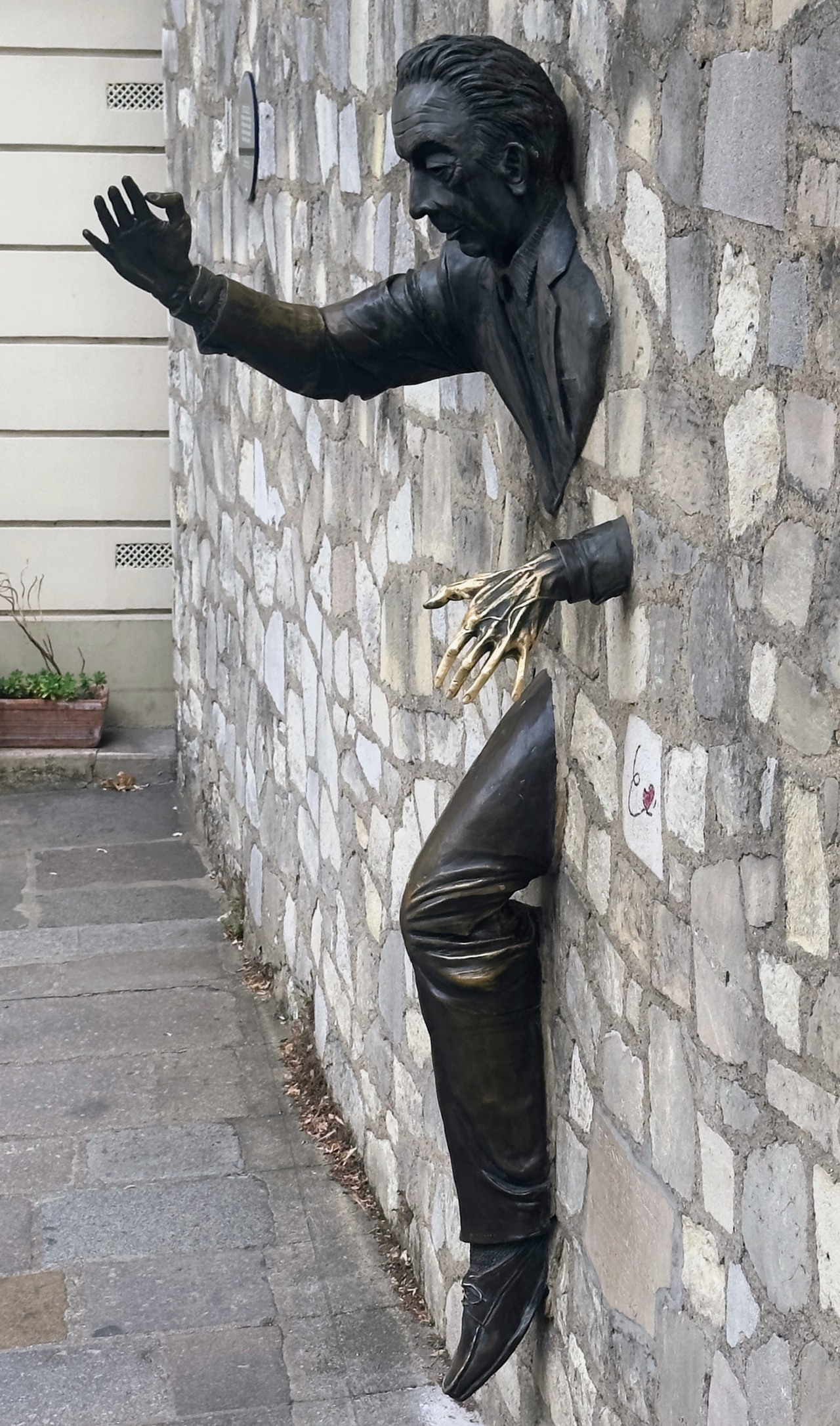
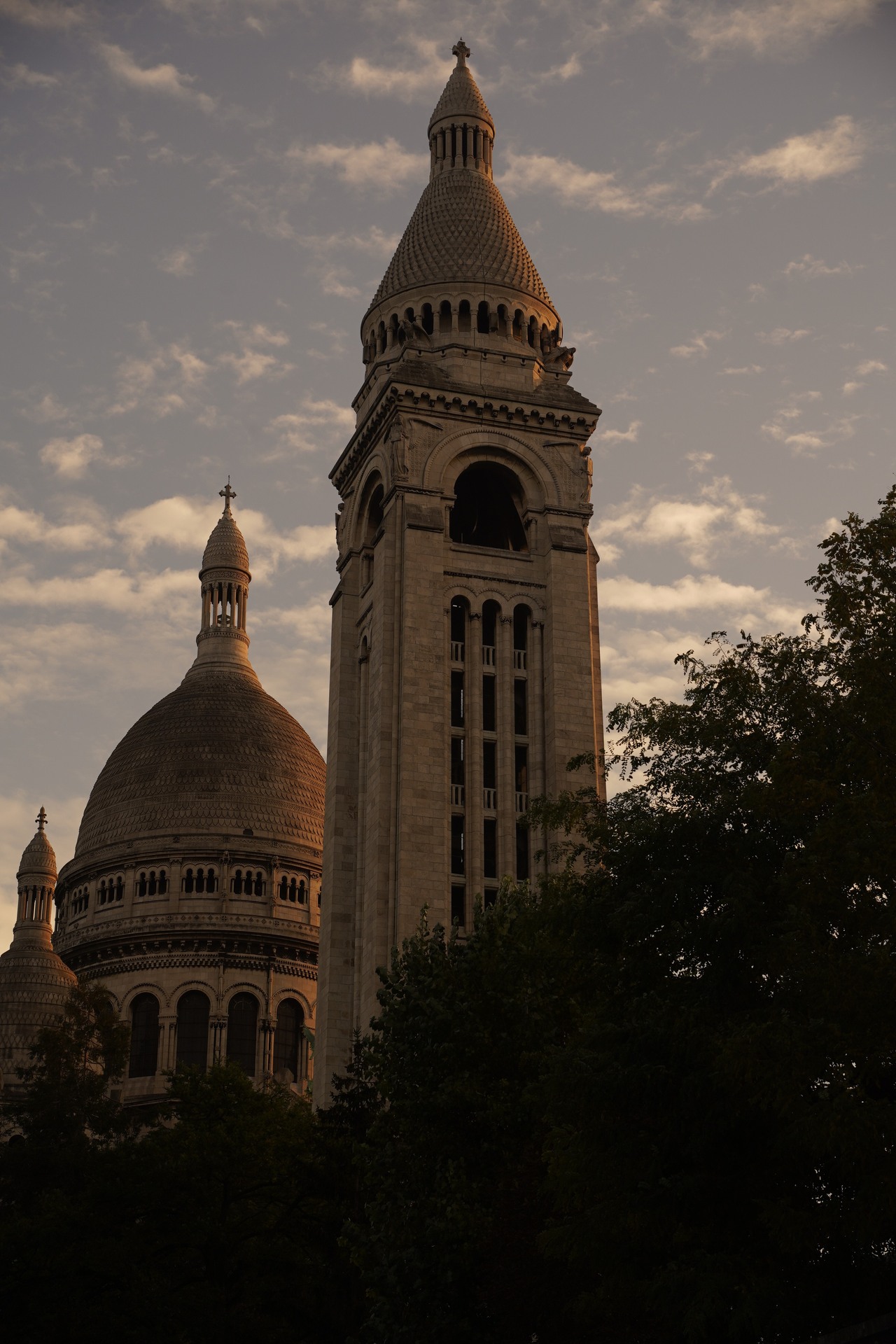
Day one: Montmartre without a checklist Primary decision: keep the first day unticketed. Named photo anchors: Le Passe-muraille, Moulin de la Galette and Sacré-Cœur from Parc de la Turlure. Practical purpose: learn one outward route and one return route. Food decision: stop when the day needs a real break rather than waiting until every photo is complete. Fallback: select one anchor and release the others if arrival takes longer than planned.
Le Passe-muraille is a named NoFilter spot in Montmartre, with a public static photograph and its own spot page. Make it the first concrete target rather than treating the entire neighborhood as one task. From there, Moulin de la Galette and the Sacré-Cœur viewpoint provide two more named possibilities without requiring you to declare every one mandatory.
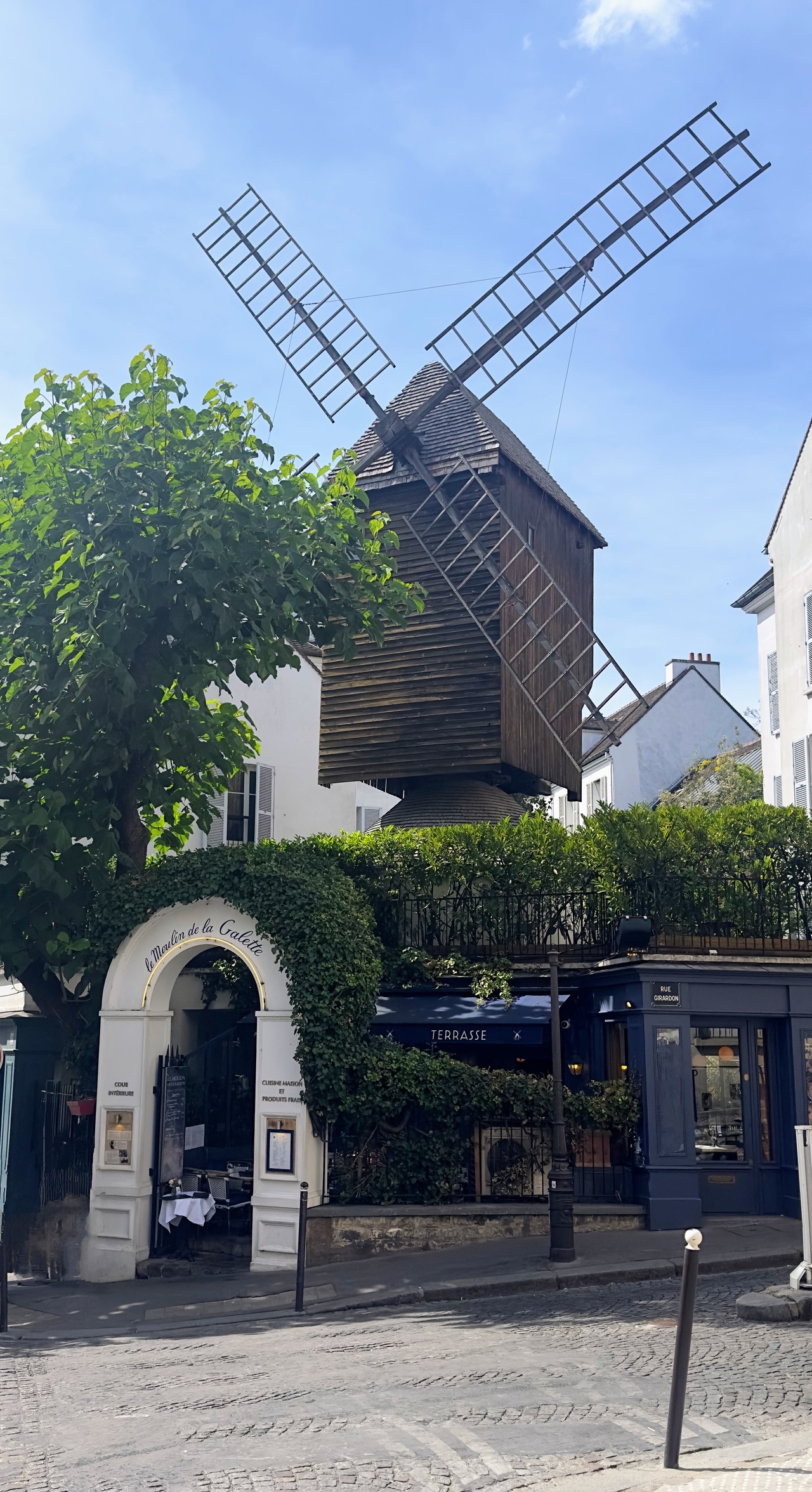
Photograph one place carefully before adding another. Decide whether you are working toward a view of a named subject, a tighter street composition or simply a location record. That decision gives the stop an end point. It also makes it easier to abandon an angle that is not working without feeling that the whole neighborhood has been missed.
Day-one stopping rule Keep going if the route remains enjoyable and the return is clear. Pause for food before fatigue turns the meal into an emergency decision. Use public transport when walking no longer contributes to the day. End after one successful photo anchor if the journey from the airport has already consumed your available time. The first-day payoff is orientation, not coverage.
Day two: choose your Eiffel Tower commitment Primary decision: viewing from outside, buying a ticket, or combining both. Official booking task: compare summit and other-level options on the Eiffel Tower’s ticket office and rates page. Named photo anchors: Tour Eiffel from Avenue Rapp and Tour Eiffel from Jardin d'Erevan. Secondary stop: Gouverneur militaire de Paris from Rue de Grenelle. Fallback: keep the viewpoints and release the ticketed visit if you have not secured the official option you want.
The Eiffel Tower’s official information publishes ticket options for the summit and other levels. Choose the experience before choosing the time. If the objective is a view of the tower, a named external viewpoint may be the stronger anchor. If ascending is essential, let the official ticket become the day’s fixed commitment and arrange unticketed stops around it.
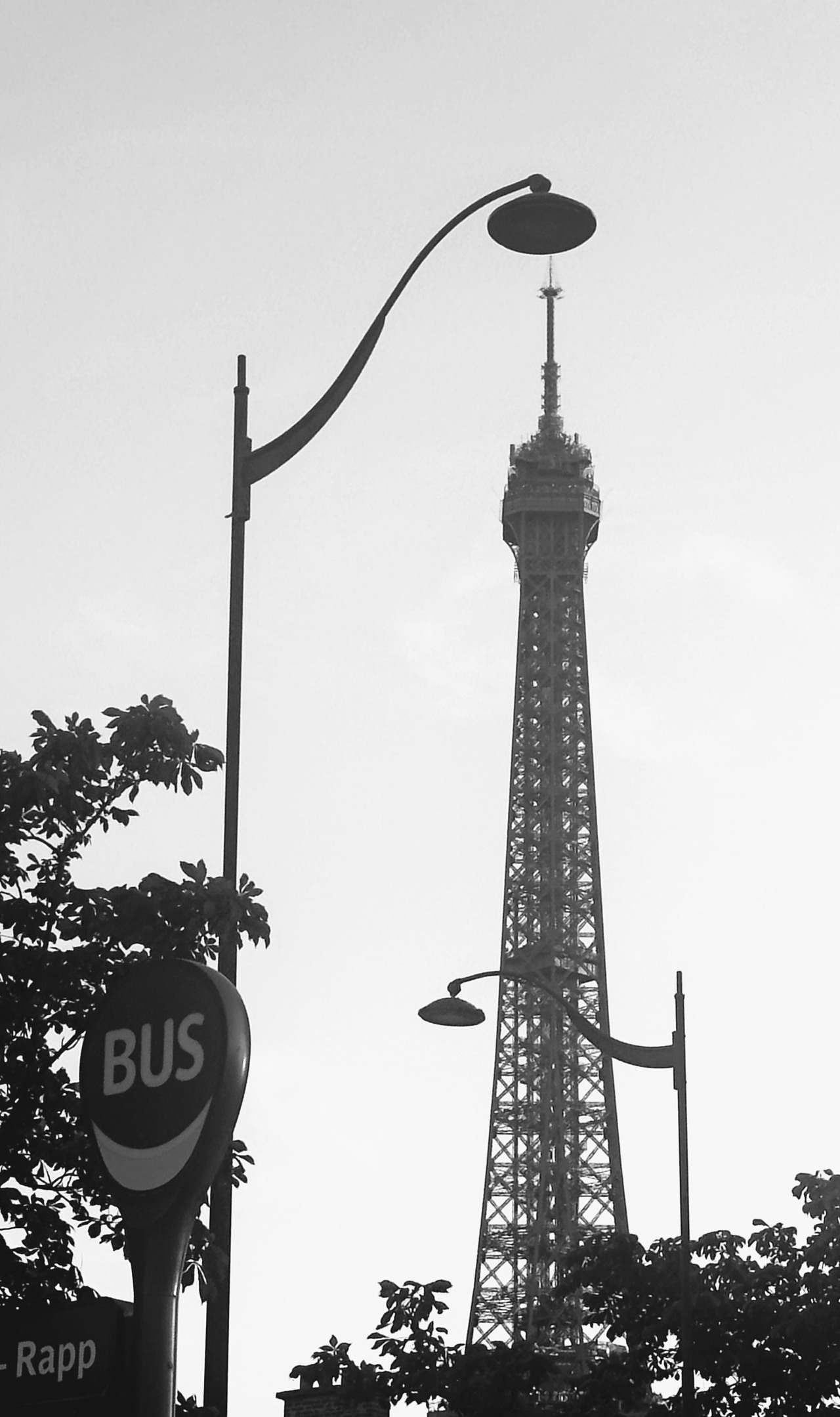
NoFilter’s catalog identifies a Tour Eiffel viewpoint from Avenue Rapp with a public static image and named spot page. Use that specificity as a planning tool: save the exact spot, not merely “Eiffel Tower.” A precise anchor reduces navigation decisions and separates the goal of photographing the structure from the separate choice to buy an ascent ticket.
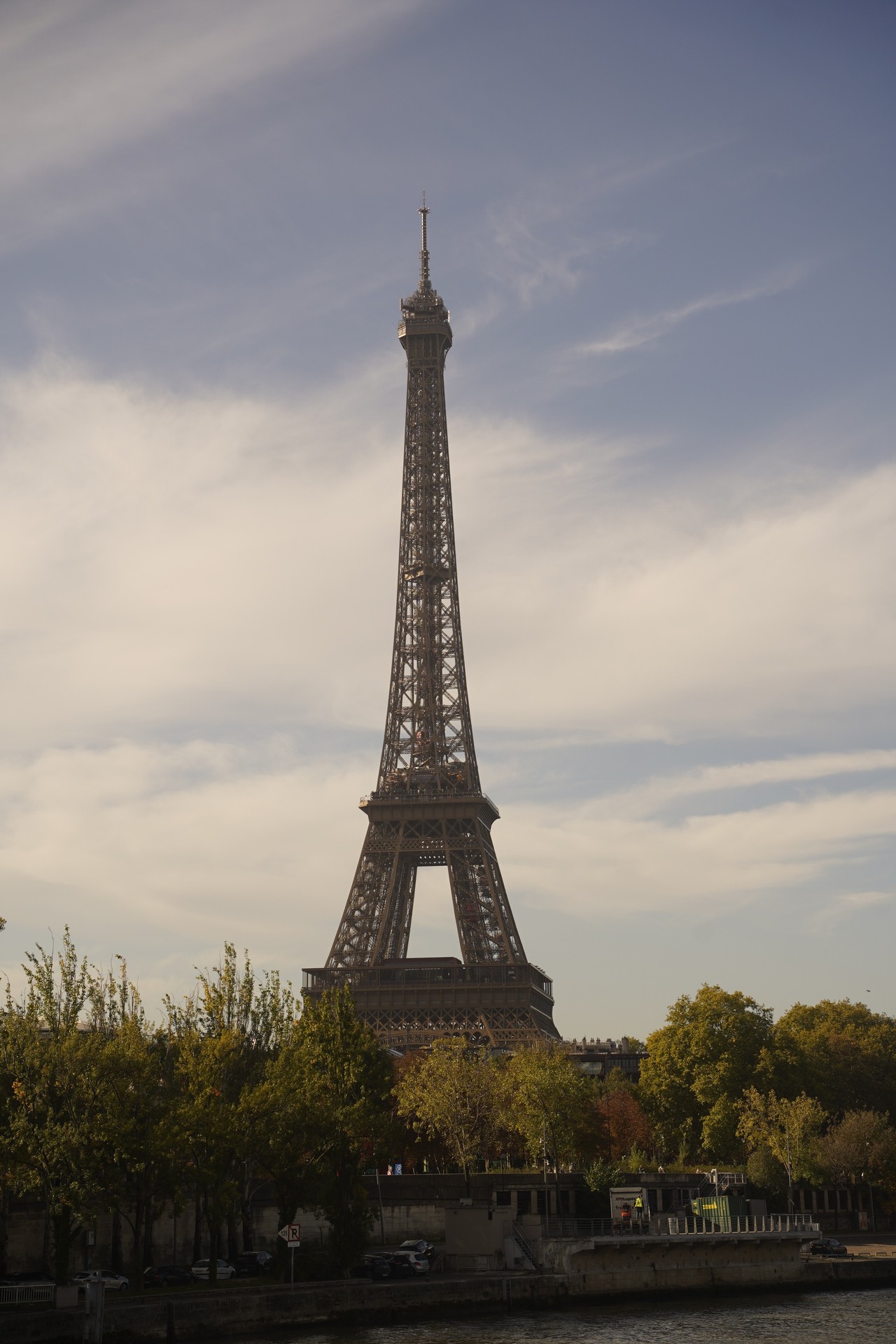
A two-viewpoint method Start with the viewpoint tied most closely to your main composition. Review whether the first location has already fulfilled the day’s photographic goal. Move to the second only if a different named setting adds something useful. Keep the official ticket time visible throughout the route. Do not let an unticketed photograph create the risk of missing the day’s fixed entry.
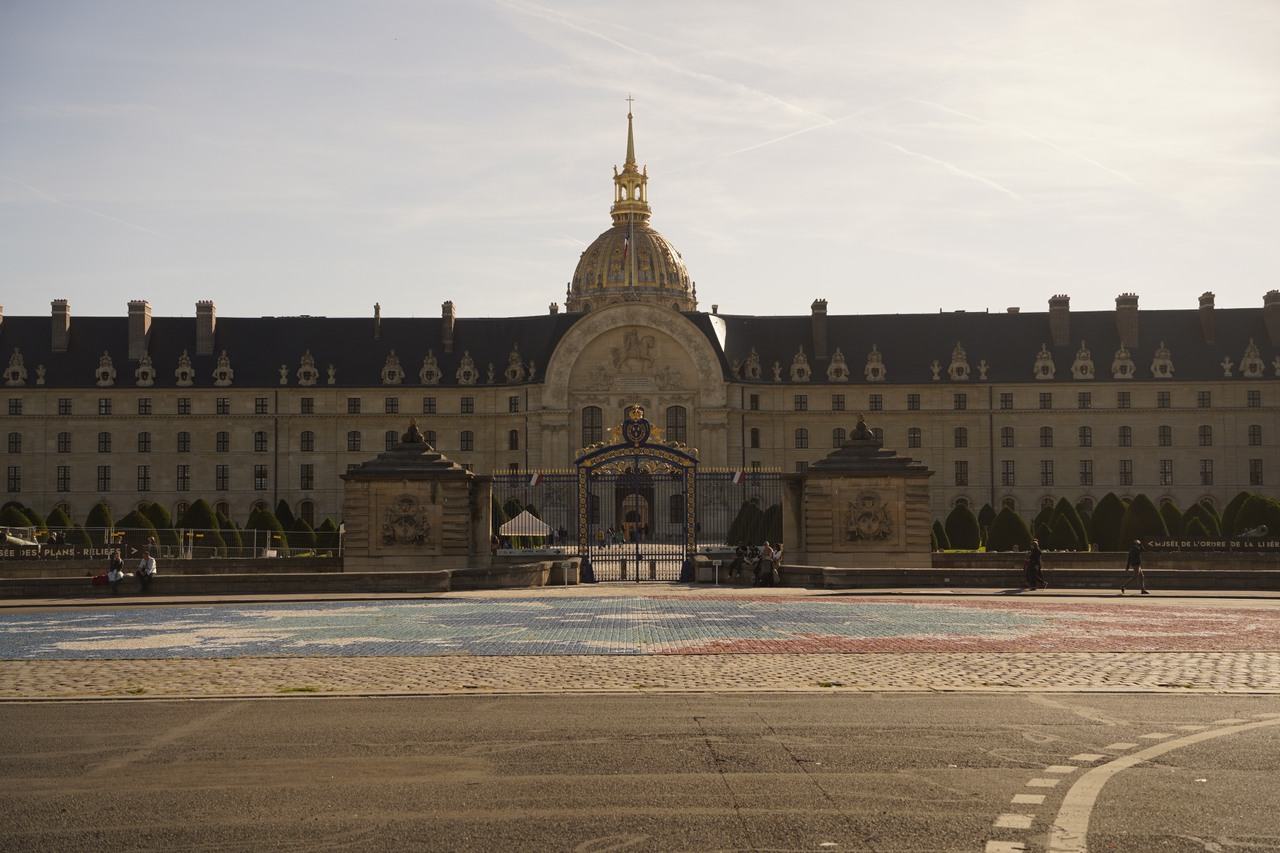
Rue de Grenelle offers a named NoFilter stop that is not another Eiffel Tower composition. Place it in the day as an option, not an obligation. A change of subject can be more useful than another version of the same landmark. This is also a sensible point to decide whether food or onward photography deserves the remaining time.
Day three: let the Louvre set the clock Primary decision: which available opening pattern fits the trip. Closed: Tuesday. Listed daytime hours: 09:00–18:00 on Monday, Thursday, Saturday and Sunday. Late-opening days: Wednesday and Friday. Entry rule: the ticket is for the selected date and time. Exit rule: leaving is final for that visit.
Do not schedule the Louvre from memory. The museum is closed on Tuesdays, lists 09:00–18:00 hours on Monday, Thursday, Saturday and Sunday, and has late openings on Wednesday and Friday. Select the day from that pattern, then verify the official information during final planning because museum access is the commitment around which this route turns.
Louvre admission snapshot Listed EEA rate: €22. Listed non-EEA rate: €32. Free admission: under-18s and eligible EEA residents under 26. Purchase protection: use the official Louvre ticket site. Avoid mirror sites, street sellers and supposed skip-the-line offers. Before paying Confirm which rate applies to you. Confirm the selected date and time. Remember that exit is final for that visit.
The final-exit rule changes how to plan food and photographs. Do not assume you can leave and resume the same museum visit. Eat before entry if that supports the time you want inside, or plan the meal for after the museum. Keep exterior photography separate from the timed interior visit so each has a clear place in the day.
Exterior timing without an admission assumption Cour Napoléon is listed as open 07:30–22:00. Cour Carrée is listed as open 07:30–19:45. These courtyard listings are separate planning references from the museum’s timed ticket. Check the official visitor information before relying on any volatile hour. Use the courtyard window to create flexibility around, rather than inside, the selected museum entry.
A Paris Museum Pass does not remove the need to think about capacity. Its official guidance says reservations are free with the pass, while the Louvre and Versailles can face high-demand periods. Reserve first; build the surrounding day second. The absence of an extra reservation fee does not mean the desired slot will remain available.
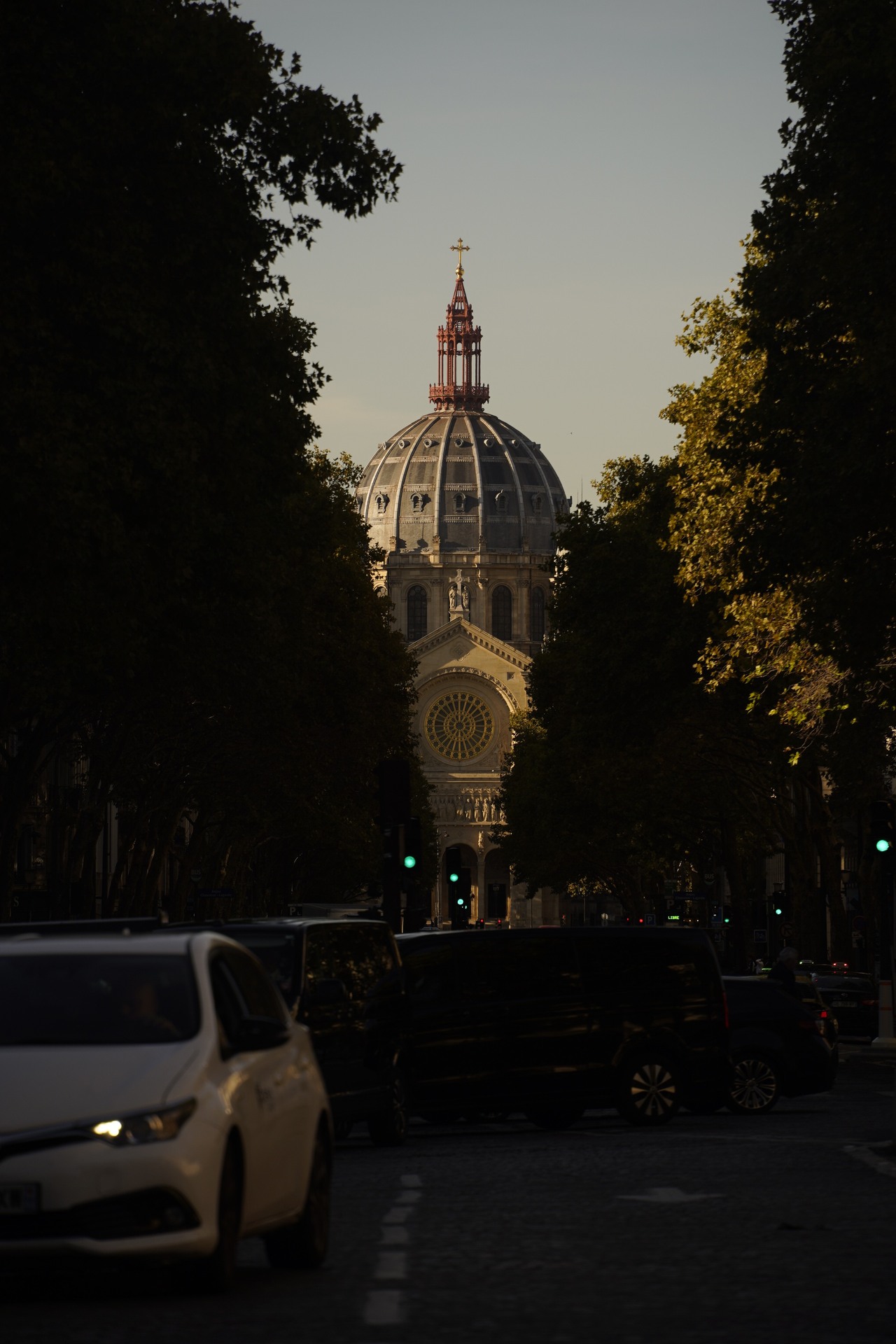
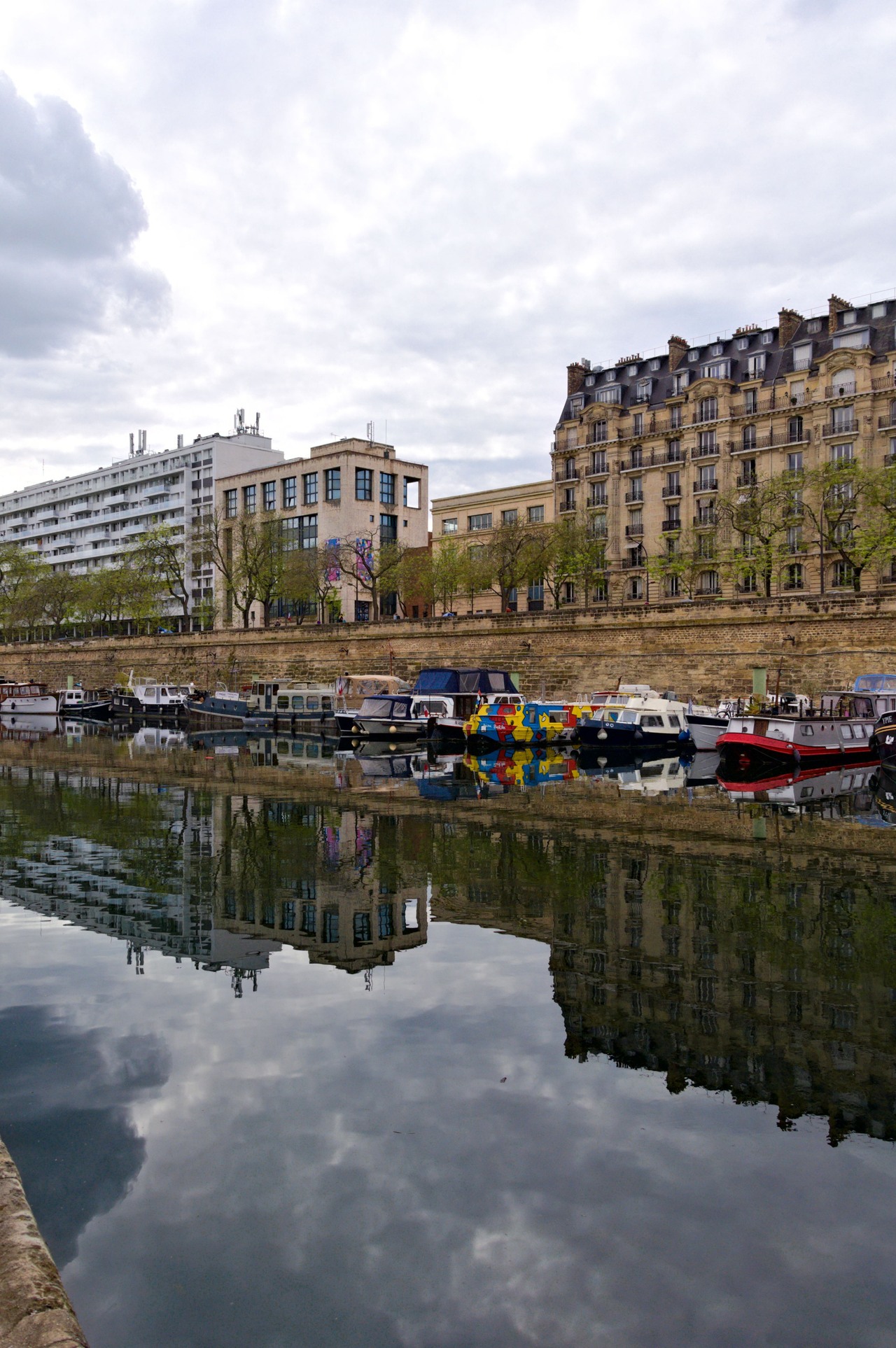
Day-four reset Primary decision: revisit a photographic theme or move to a different named setting. Suggested anchors from the supplied spot set: Saint-Augustin from La Madeleine, Jardin de Kyiv au Peuple Ukrainien and Canal Saint-Martin. Keep the day unticketed unless a missed reservation has been deliberately moved here. Choose fewer stops if the first three days have accumulated unfinished meals, transfers or rest. Finish with one place you selected, not the residue of a checklist.
Treat the fourth day as an editing decision. Review the images and notes already gathered. If the set lacks variety, choose a different subject. If one approach has been productive, repeat it deliberately at another named spot. Canal Saint-Martin can stand as the day’s single anchor, while Saint-Augustin or Jardin de Kyiv can provide alternatives.
Food, money and safety
This intake does not prescribe restaurants, so the useful food plan is structural. Decide which meal carries the day. On a museum day, place it before or after the final-exit commitment. On a photo-led day, define a stopping point before hunger makes every nearby option feel compulsory. Leave room for an unplanned choice without leaving every meal undecided.
A practical daily food rhythm Before leaving: decide whether the main meal is fixed or flexible. Before a timed entry: allow enough separation that the meal does not threaten the reservation. During an unticketed route: use one named photo stop as the point for reassessment. After a final-exit visit: avoid planning as though re-entry remains available. At day’s end: note whether tomorrow needs more meal structure or less.
For money decisions, separate published costs from personal spending choices. The supplied 2026 figures give a €14 full or €7 reduced airport ticket, fixed Charles de Gaulle taxi fares of €56 to the right bank and €65 to the left bank, and Louvre rates of €22 for EEA admission and €32 for non-EEA admission.
Costs worth checking before departure Airport transfer fare and eligibility for any reduced ticket. Correct Charles de Gaulle taxi bank and fixed fare. Correct Louvre admission category. Official Eiffel Tower level and ticket option. Whether a Paris Museum Pass still requires the reservation you want. Do not estimate from unofficial offers The Louvre specifically warns against mirror sites, street sellers and supposed skip-the-line offers.
At Charles de Gaulle, a low-friction safety rule is to ignore solicitation inside the terminal. Official taxi ranks are outside named arrivals doors. If taking a taxi, go to that rank and use the published fixed-fare framework rather than negotiating with someone approaching passengers indoors.
Emergency reference 112 is France’s European emergency number. It can be called free from a fixed or mobile phone. Accessibility reference Use the dedicated public-transport and disability-access information for the routes relevant to you. Do not assume that one general transport recommendation answers every access requirement.
Safety planning does not need to dominate the trip. Keep the actionable items short: save 112, use official airport taxi ranks, purchase Louvre admission through the official ticket site, and check accessibility guidance for the routes you intend to take. The goal is fewer improvised decisions at moments when attention is already divided.
Photo routes and NoFilter spots
The public NoFilter Paris catalog contains more than 300 named spots with static NoFilter photo assets. That depth is most useful as an editing resource, not a demand for coverage. Save a small working set for each day, then choose among those locations according to the reservation, transport decision and photographic subject already defining the route.
Route one: Montmartre subjects Le Passe-muraille. Moulin de la Galette. Sacré-Cœur from Parc de la Turlure. Route two: Eiffel Tower and Rue de Grenelle Tour Eiffel from Avenue Rapp. Tour Eiffel from Jardin d'Erevan. Gouverneur militaire de Paris from Rue de Grenelle. Route three: a broader final-day set Saint-Augustin from La Madeleine. Jardin de Kyiv au Peuple Ukrainien. Canal Saint-Martin.
Use the spot name as a brief. “Tour Eiffel from Avenue Rapp” identifies both subject and viewpoint. “Sacré-Cœur from Parc de la Turlure” does the same. That is more actionable than saving a landmark name alone. It also makes two photos of the same structure easier to distinguish while you decide whether the second viewpoint is worth the time.
A compact photo-stop workflow Open the saved named spot before starting the segment. Confirm that the stop still fits the day’s fixed commitment. Identify the subject implied by the spot name. Make one considered version before changing the plan. Review whether a second viewpoint adds a genuinely different task. Leave when the stop is complete, conditions do not suit the aim, or the next reservation needs priority.
The photographs used here come from cleared NoFilter spot assets. Under NoFilter’s terms, creators retain their rights while granting a worldwide, sublicensable license to use, display, reproduce and distribute posted content, including photographs attached to spots. Preserve the displayed creator credit whenever referring back to these supplied images.
The closing decision Do not ask whether every saved place was completed. Ask whether each day had a clear anchor. Ask whether ticketed commitments remained protected. Ask whether food and transport supported the route rather than interrupting it. Ask whether the photographs became more specific as the trip progressed. The payoff echoes the first choice: a successful Paris plan is not the longest list, but a sequence of small decisions you can still explain at the end.
Frequently asked questions
Keep the final checks practical. Confirm the airport transfer, official ticket sources, selected museum times, applicable admission rates and any accessibility information relevant to your routes. The answers below collect the highest-friction decisions in one place; the NoFilter link then provides the wider Paris spot catalog when you are ready to refine the photographic plan.
Explore Paris photo spots with NoFilterFrequently asked questions
How much is the 2026 public-transport ticket from Charles de Gaulle to Paris?
The 2026 Paris Region–Airport ticket from Charles de Gaulle is listed at €14 full fare and €7 reduced fare. Check which fare applies before relying on the reduced price.
What should I pay for an official taxi between Charles de Gaulle and Paris?
The official 2026 fixed taxi fare is €56 to the right bank and €65 to the left bank. At the airport, use the official ranks outside the named arrivals doors and do not accept soliciting drivers inside the terminal.
Which day is the Louvre closed?
The Louvre is closed on Tuesdays. It lists 09:00–18:00 hours on Monday, Thursday, Saturday and Sunday, with late openings on Wednesday and Friday.
Can I leave the Louvre and return on the same ticket?
No. A Louvre ticket is valid for its selected date and time, and the museum states that exiting is final for that visit. Plan meals and exterior photography with that restriction in mind.
Where should I buy Louvre tickets?
Use the Louvre’s official ticket site. The museum warns visitors to avoid mirror sites, street sellers and supposed skip-the-line offers.
How much does Louvre admission cost?
The Louvre lists a €22 EEA rate and a €32 non-EEA rate. Admission is free for under-18s and eligible EEA residents under 26.
Do I still need museum reservations with a Paris Museum Pass?
You may still need reservations. The official pass guidance says reservations do not add a fee, but availability can be tight for major museums and Versailles, including during high-demand periods.
Where should I buy Eiffel Tower tickets?
Use the Eiffel Tower’s official ticket office and rates page, which publishes options for the summit and other levels. Decide which level you want before selecting the ticket option.
What emergency number should I save for Paris?
Save 112, France’s European emergency number. It can be called free from either a fixed or mobile phone.
Where can I check accessible transport options in Paris?
Official Paris tourism guidance includes dedicated information about public transport and disability access. Consult that guidance for the routes relevant to you rather than assuming one general recommendation covers every accessibility requirement.