Rome rewards preparation but punishes over-planning. This guide builds a realistic first visit around the ancient city, Vatican, neighborhoods, food and exceptional photo locations, with current official rules checked on 13 August 2026. Use it as a structure, then leave enough space to walk, look up and let Rome interrupt the schedule.
Rome at a glance: how many days you need
Give Rome four full days if this is your first visit. That is the shortest plan that lets you devote one coherent day to the historic center, one to the Colosseum-Forum-Palatine complex, one to the Vatican side of the river and one to either the Appian Way and southern archaeology or the Borghese collection and park. Arrival and departure days are bonuses, not sightseeing days: airport transfers, check-in, heat, queues and cobblestones consume more energy than a map suggests. With only two days, choose the ancient city plus either the Vatican or the historic center. With five or six, add Galleria Borghese, Ostia Antica or a slower neighborhood day rather than collecting more rushed landmarks.
Think of Rome as several cities that touch but do not combine neatly. The Pantheon, Piazza Navona, Trevi Fountain and Spanish Steps form a walkable historic-center day. The Colosseum, Forum, Palatine, Capitoline Hill and Monti belong together. Vatican Museums, St. Peter’s, Castel Sant’Angelo and Prati form another cluster. Trastevere, Testaccio, Circus Maximus, the Baths of Caracalla and the Appian Way sit naturally in a south-and-river arc. Grouping sights this way saves repeated cross-city trips and makes early or late photography possible without turning the entire holiday into transport.
The essential first-visit list is not merely a list of monuments. It includes the Colosseum with the Forum and Palatine; Pantheon, Trevi, Piazza Navona and the streets between them; Vatican Museums and St. Peter’s; one major art collection such as Galleria Borghese or the Capitoline Museums; one lived-in district after the daytime crowds thin; and at least one viewpoint or river crossing. Secondary places such as San Clemente, Santa Maria in Trastevere, the Jewish Ghetto, the Orange Garden, Baths of Caracalla, Appian Way, Centrale Montemartini and Ostia Antica are not consolation prizes. Choose them according to your interests instead of trying to visit all of them.
When to visit Rome
Spring and autumn are the easiest seasons for long walking days: the official tourism office describes them as mild, with longer usable daylight. July and August bring the strongest heat, and June through September require deliberate sun protection. In hot weather, schedule exposed archaeology for opening time, make lunch the slow indoor interval, and return outside after the light softens. Carry water, a hat and sunscreen; Rome’s free drinking fountains make refilling much easier than carrying several plastic bottles.
Winter offers shorter queues and a calmer street rhythm, but daylight and seasonal closing times shrink the sightseeing window. Rain is more concentrated around November and February, while a cold snap is possible even though the city’s winter is generally mild. Whatever the month, do not build a day around last admission: major archaeological sites stop admitting visitors before the published closing time, and religious sites can change access for services. Recheck every official calendar during the final week and again that morning.
Crowd strategy matters as much as season. Put the most photographed outdoor places at the edges of the day, but accept that famous Rome is never truly empty. A clear composition from a legal public viewpoint is a better goal than an empty square. For indoor attractions, the first timed entry is valuable because it protects the rest of the day. Free-admission days can reduce ticket cost but usually increase uncertainty and queues; use them only when the saving matters more than schedule control.
Where to stay: Rome neighborhoods decoded
For a first visit, choose location before hotel amenities. The historic center around Pigna, Parione and Trevi puts Pantheon, Piazza Navona and the fountain walks outside your door. It is excellent for early photography and late wandering, but rooms can be expensive, taxi access constrained and streets noisy. Monti gives quick access to the Colosseum and Forum with restaurants, wine bars and a creative neighborhood feel; it works especially well when ancient Rome is the priority. Check the exact street, not only the district name, because a few blocks can change the hill, noise and nearest transit.
Prati and Borgo are the practical Vatican choice. Prati has broad streets, shopping and dining, while Borgo sits between St. Peter’s and Castel Sant’Angelo. The tradeoff is a longer start for the Colosseum side. Trastevere delivers photogenic lanes, piazzas and evening energy, but the liveliest streets stay loud and rail access is less direct. Sleep there because you want its night atmosphere, not because a booking site calls every property in a wide radius “Trastevere.” Ask for an interior-facing room if sleep matters.
Testaccio is a strong food-and-local-life base near the river, with access toward Circus Maximus and the south; it suits travelers who prefer evenings built around traditional meals rather than the densest monument zone. Around Termini, transport convenience and airport access are the advantage, while the quality and feel change sharply street by street. Esquilino is multicultural and useful for Santa Maria Maggiore. Before paying, map the entrance, walk to the nearest usable metro or bus stop, read recent noise reviews and confirm whether reception or lifts operate when you arrive.
The booking total is not always the final total. Rome levies an accommodation contribution that varies by property category and classification. Ask the property for the current per-person amount, who is exempt, how many nights are charged and whether the platform already collected it. Also verify air conditioning dates, luggage storage, late check-in and elevator access. In an old building, “lift available” may still mean stairs before the lift or a cabin too small for mobility equipment.
Arriving in Rome: Fiumicino and Ciampino
Fiumicino is the main airport. The simplest route to a hotel near Termini is the Leonardo Express: non-stop, 32 minutes, normally every 15 minutes and €14 when checked on 13 August 2026. Metrebus tickets do not work on this train. If you are staying near Trastevere, Ostiense, Tuscolana or Tiburtina, compare the FL1 regional service instead of traveling to Termini and backtracking; it serves other urban stations, generally every 15 minutes on weekdays and every 30 minutes on Sundays and public holidays.
Check official Fiumicino rail optionsCiampino has direct coaches to Termini, local connections toward Ciampino railway station or Anagnina, ATAC 520 to Cinecittà and Subaugusta, and 720 to Laurentina. There is no universally best option: choose according to your hotel and arrival time, then verify the operator’s live timetable. The 520 and 720 fall within the urban BIT system; private airport coaches have their own tickets. Late arrivals should not assume the same frequency as daytime service.
For a taxi, follow the signed rank and use an authorized white vehicle with Taxi on the roof and a meter. Ignore anyone approaching inside the terminal or station to offer a ride. Ask how the fare will be calculated before departure, keep the receipt and verify any claimed fixed airport fare on the airport or city site that day; old guidebook amounts circulate long after official rates change. If your accommodation arranges a private transfer, obtain the company name, meeting point and complete price in writing.
Getting around Rome without wasting time
Walk within each sightseeing cluster and use transit between clusters. Central Rome is compact on a map but tiring underfoot: cobbles, traffic crossings, summer exposure and hills slow a day. The metro is useful for broad moves such as Termini-Colosseo, Ottaviano near the Vatican or Piramide near Testaccio, but it does not replace walking in the historic core. Buses can close the gaps, especially after a long museum visit. Build margin around timed entries rather than trusting the shortest route shown by a generic map.
Current ATAC prices are straightforward: €1.50 for a 100-minute BIT, €8.50 for 24 hours, €15 for 48, €22 for 72 and €29 for the seven-day CIS. Count likely rides before buying a pass. A central four-day visit with long walking blocks may cost less on individual BITs than an unlimited tourist ticket, while a hotel outside the center can reverse the calculation. The BIT allows one metro journey within its validity and can cover connecting surface transport under the official conditions.
Validation is the common mistake. Activate a paper or digital ticket at the beginning and follow ATAC’s instruction to validate again when changing to the metro. Keep the ticket until the journey is finished. With contactless Tap and Go, tap every time you change vehicle or enter a relevant gate; valid transfer taps do not mean another charge. Use exactly the same payment instrument throughout. A physical bank card and the version in a phone wallet count as different devices, even when linked to the same account.
One contactless card or phone cannot validate a whole group through Tap and Go because the product is individual. Give each traveler a separate card or use individual tickets. Before leaving each morning, open the official ATAC status page for closures, substitutions, strikes and lift issues. Do this especially when a station is critical to a timed admission. Save the hotel address offline and keep enough battery for tickets, maps and payment; a small power bank is more useful than another travel app.
Check live ATAC service updatesA rental car is usually a liability for this itinerary. Central Rome uses multiple limited-traffic zones, access rules change, and a hotel address inside a zone does not automatically authorize an unregistered plate. If a car is part of a wider Italy trip, collect it when leaving Rome or park outside the restricted center. Drive to central accommodation only after the property has confirmed in writing who registers the plate, when access is legal and where the vehicle can actually be parked.
What to book before you arrive
Book in order of scarcity, not fame. If Galleria Borghese is essential, reserve it first: every category needs a reservation, visits normally use two-hour shifts, and even free tickets need a slot. The full ticket was €16 plus a mandatory €2 reservation fee when checked; temporary exhibitions can change that. Only a very small purse or belt bag may enter, so do not arrive with day luggage. The gallery closes Monday.
Buy Vatican Museums tickets only from the official Vatican domain. The published schedule is Monday-Saturday, 8:00-20:00 with final entry at 18:00. A full ticket was €20 plus €5 for official online booking on the research date. The last Sunday of the month has a shorter free opening, but that is a crowd choice rather than a universally better deal. Give the collection at least half a day, dress for sacred spaces, eat beforehand and do not schedule another inflexible attraction immediately afterward.
Use the official Vatican Museums ticket portalThe Colosseum releases timed inventory 30 days before the visit. The standard €18 ticket gives one timed Colosseum entry and one entry to the Forum-Palatine archaeological area within the specified 24-hour relationship. Names and identification matter, and a different arrival time is not accepted. Decide whether you want the standard route, arena, underground or attic before buying; they are distinct products. Put the Forum and Palatine in the cooler half of the day and wear shoes that grip uneven stone.
Buy Colosseum tickets from the official parkSt. Peter’s Basilica is free and does not require a reservation, although an optional paid booking includes a digital audio guide and a timed access route. It still does not bypass security. Since June 2026 the basilica publishes daily hours of 7:00-20:00, last entry by 19:15 subject to visitor flow. The Pantheon normally opens daily but publishes its calendar monthly, has no skip-the-line product and may reserve access for worship during services. Trevi’s basin now has its own €2 controlled-access system. Recheck all three close to the date.
A realistic four-day Rome itinerary
Day one — historic center. Start around Pantheon before the streets fully fill, then weave through Piazza Navona, Campo de’ Fiori’s surrounding lanes, the Jewish Ghetto and the Capitoline edge. Reserve the Pantheon for its current calendar rather than trusting a reseller’s “skip” promise; there is no official skip-the-line entry. Move toward Trevi in late afternoon, knowing that the closest basin area costs €2 for non-residents from 9:00 to 22:00 and takes card at the entrance. Finish at the Spanish Steps or a quieter lane instead of racing to another museum.
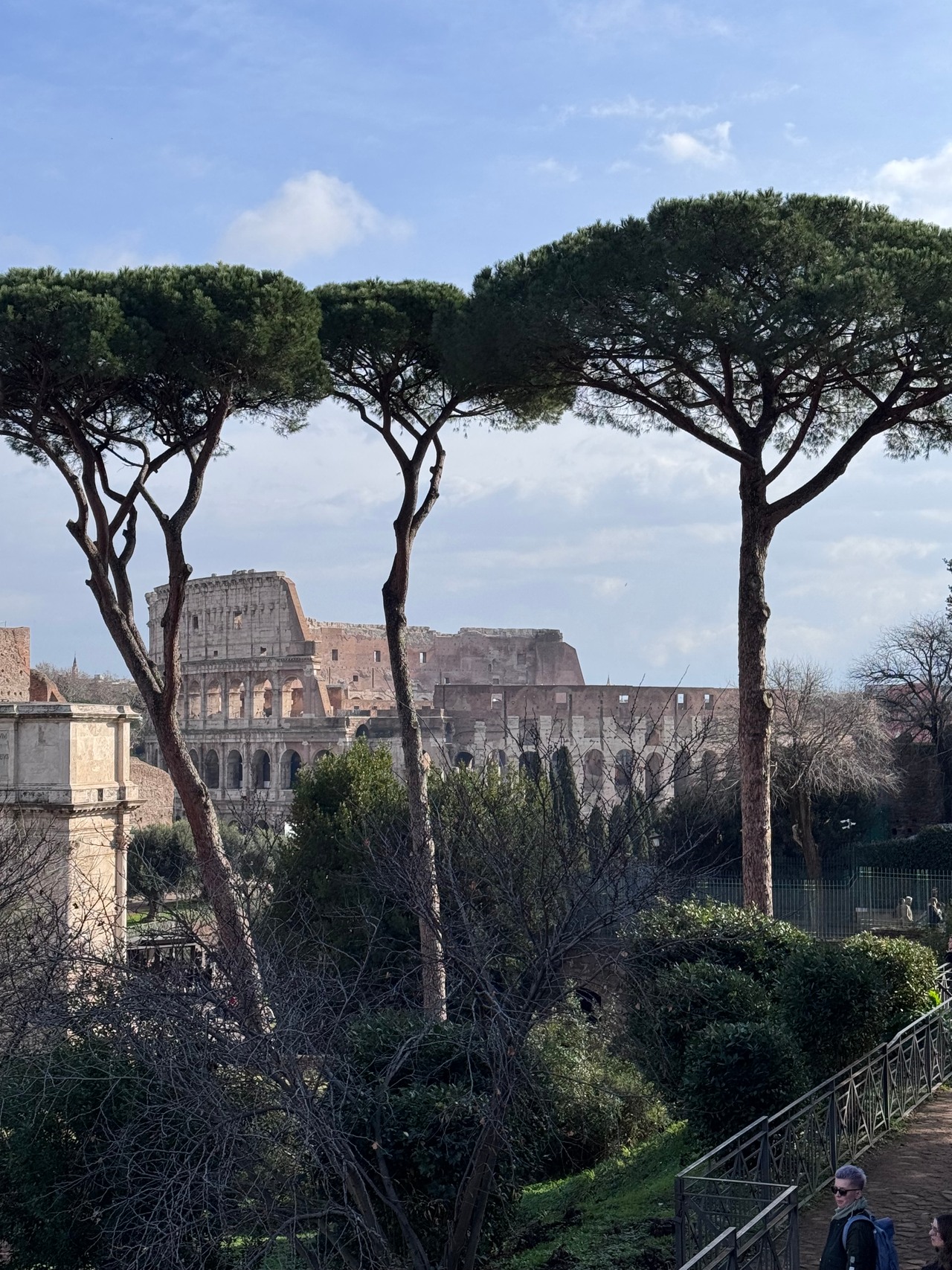
Day two — ancient Rome. Take the first suitable Colosseum slot, arrive 15 minutes early, and keep identification ready. Treat the Forum and Palatine as a landscape, not a corridor between photo stops: the ground is rough, shade can be limited and closing begins with an earlier last admission. After a real break, choose the Capitoline Museums or Monti rather than both at speed. If photography is central, return to an exterior Colosseum viewpoint when the light is lower; never block circulation or step into traffic for a symmetrical frame.
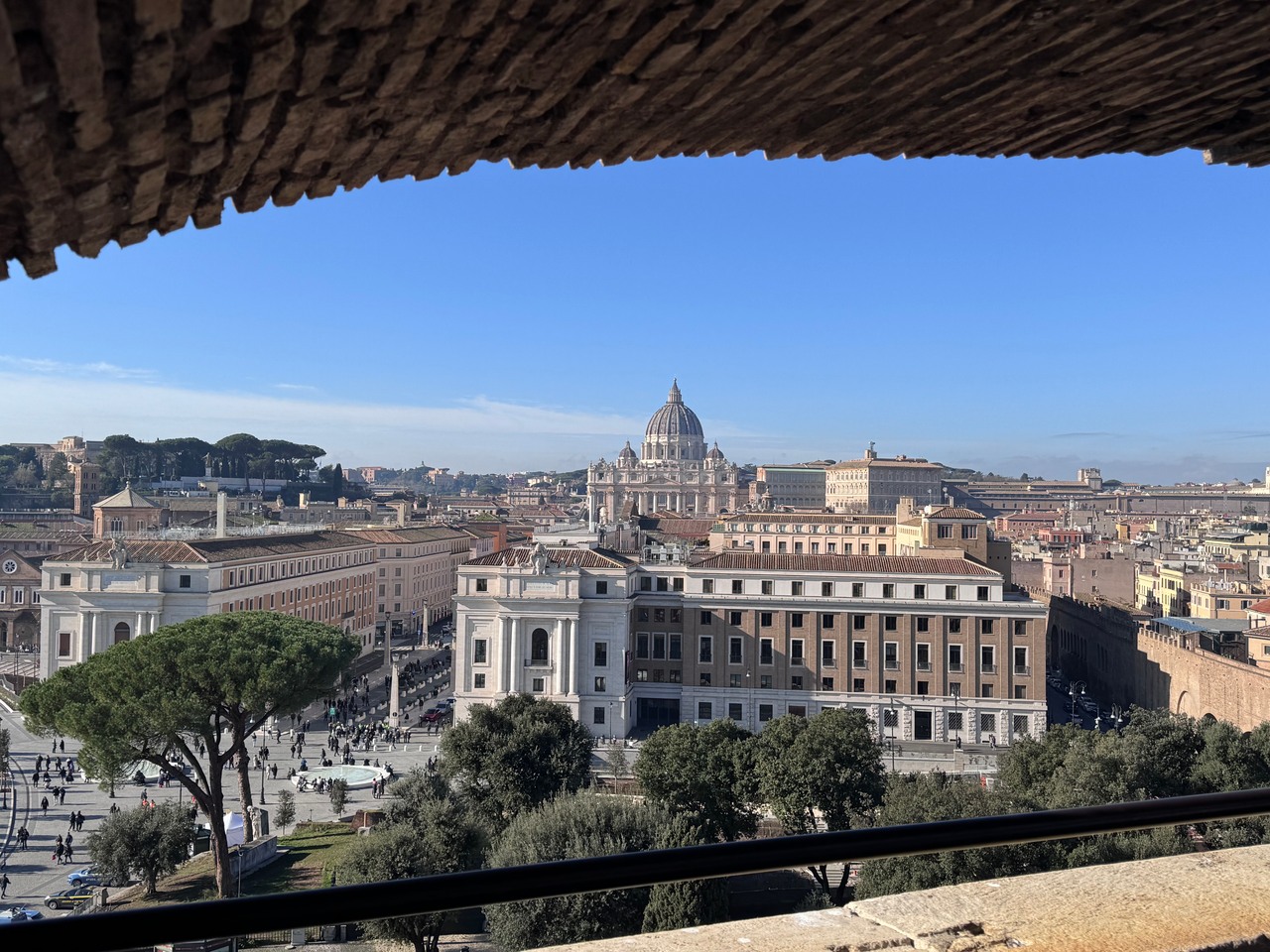
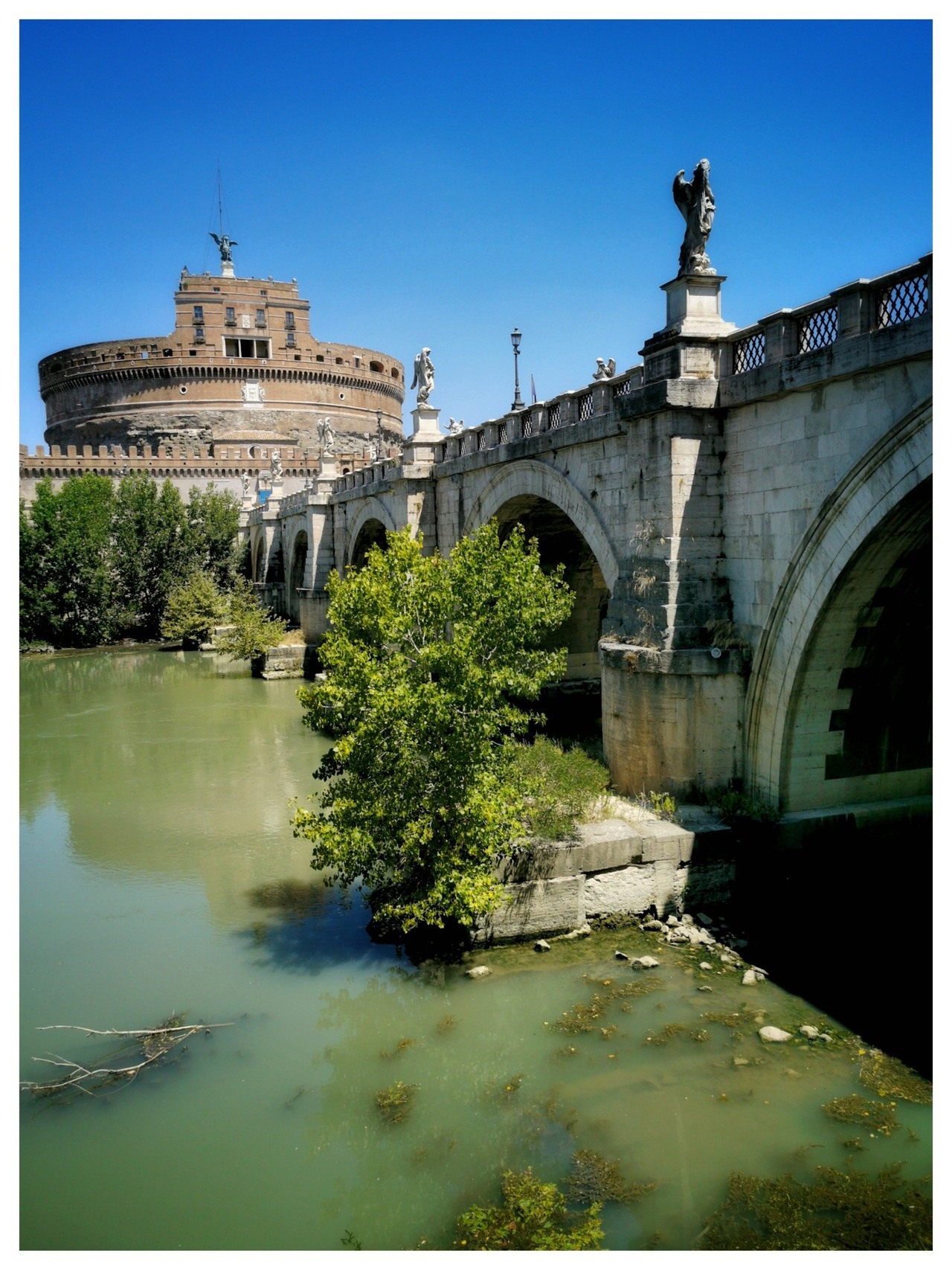
Day three — Vatican and the river. Use the earliest Vatican Museums booking you can comfortably reach, follow the one-way flow and preserve energy for the Sistine Chapel rather than trying to study every gallery. Continue to St. Peter’s only if the security line and your energy make sense; the basilica alone deserves one to two hours. Cross toward Castel Sant’Angelo and photograph the river axis, then walk through Prati for dinner or cross Ponte Sisto into Trastevere. This is a full day. Do not attach the Colosseum or Borghese to it.
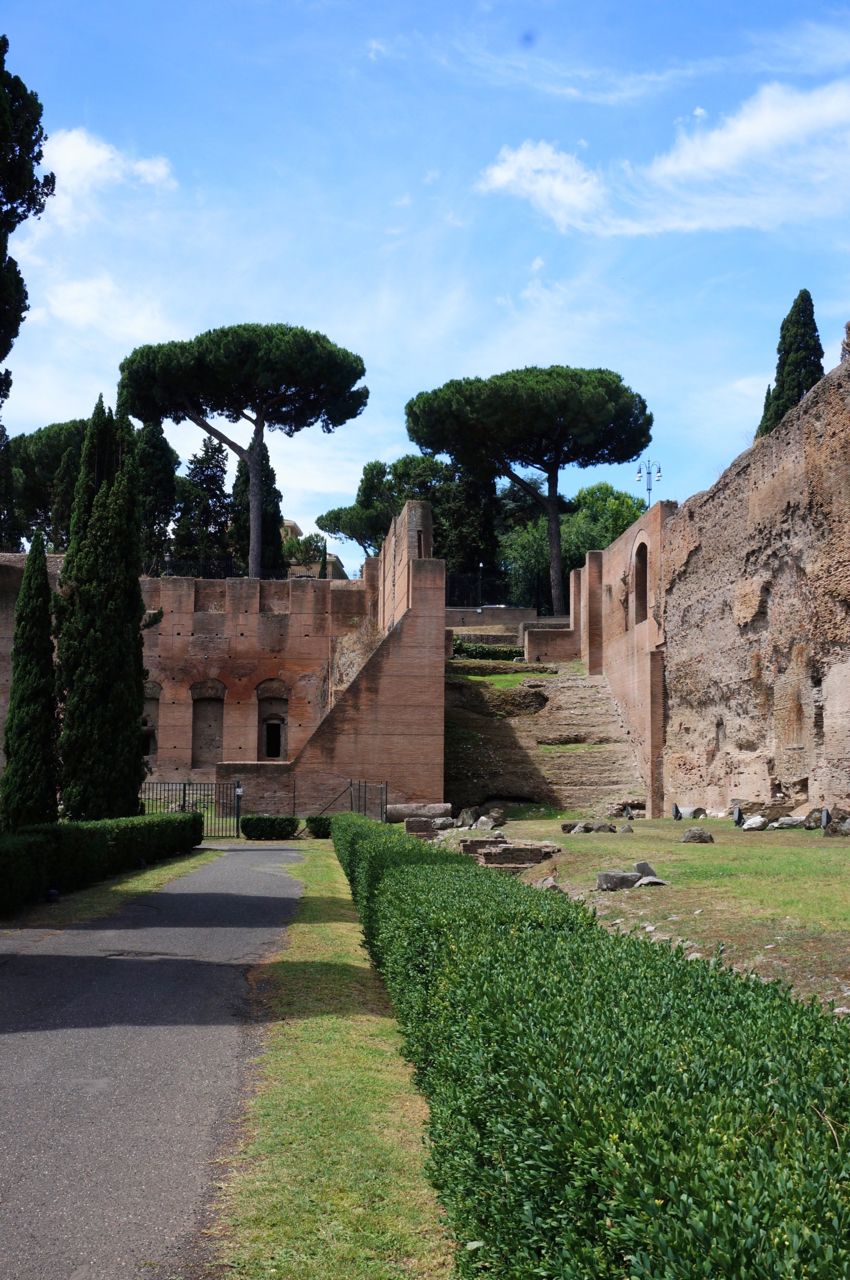
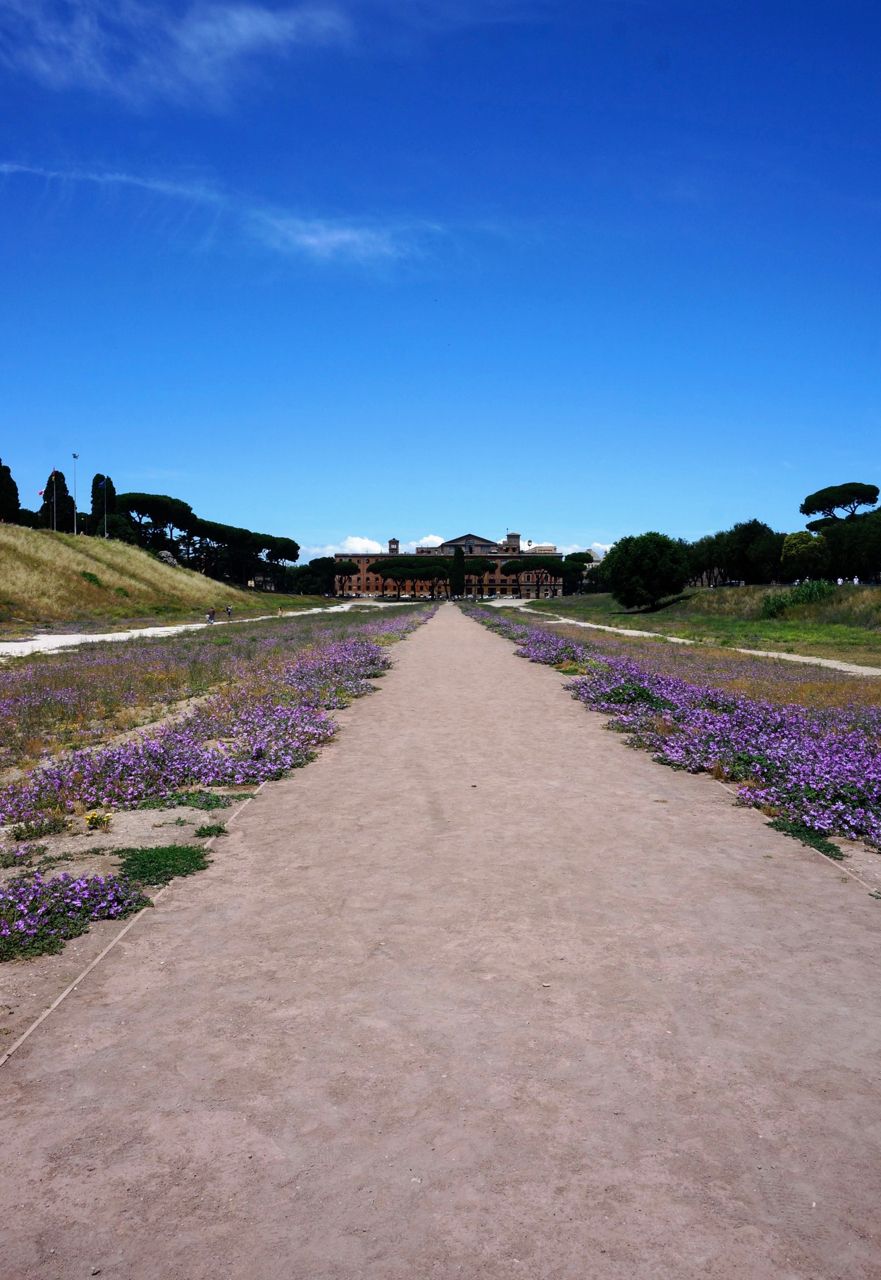
Day four — choose, do not stack. Archaeology and open space: begin at the Baths of Caracalla, continue toward Circus Maximus and the Aventine, then use a planned route into the Appian Way park. Check the restoration notice first: the Tombs of Via Latina and Capo di Bove have been temporarily closed since 22 June 2026 with no published reopening date. Art alternative: reserve Galleria Borghese, walk Villa Borghese, then use the afternoon for a single neighborhood. Food alternative: Testaccio market area, the Non-Catholic Cemetery and Centrale Montemartini, with an unhurried meal.
For a fifth day, Ostia Antica is the most coherent escape when ancient urban life interests you more than another central museum. It opens Tuesday-Sunday and holidays from 8:30, closes Mondays, and changes closing time seasonally. Give it a genuine half or full day; the site is large and its ticket office closes an hour before the archaeological area. Alternatively, spend the extra day on churches and smaller museums, or repeat the neighborhood you liked. Repetition is often the moment Rome stops feeling like a checklist.
The best NoFilter photo spots in Rome
NoFilter currently has a deep Rome corpus, and this guide uses seven real spot pages plus the Terrazza delle Quadrighe hero. The app is useful because a monument and a photograph are not the same thing: each linked page records a viewpoint and shows the composition made there. Use the images as visual planning references, then adapt to weather, scaffolding, crowd flow and access on the day. All included images were cleared for marketing under NoFilter’s user-content terms and retain the recorded creator username. Travel facts come from the official sources in the private editorial ledger, not from user-written spot descriptions.
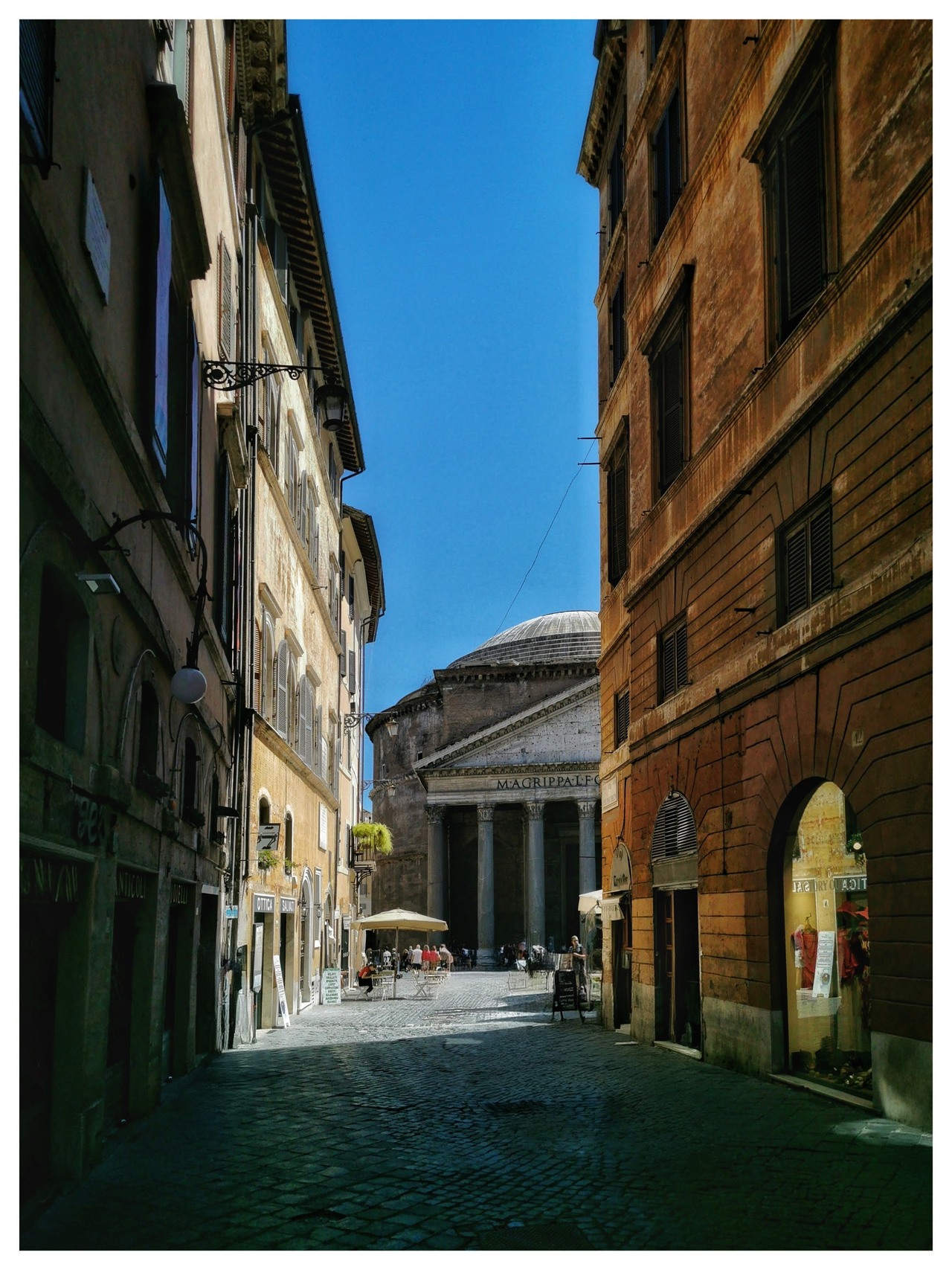
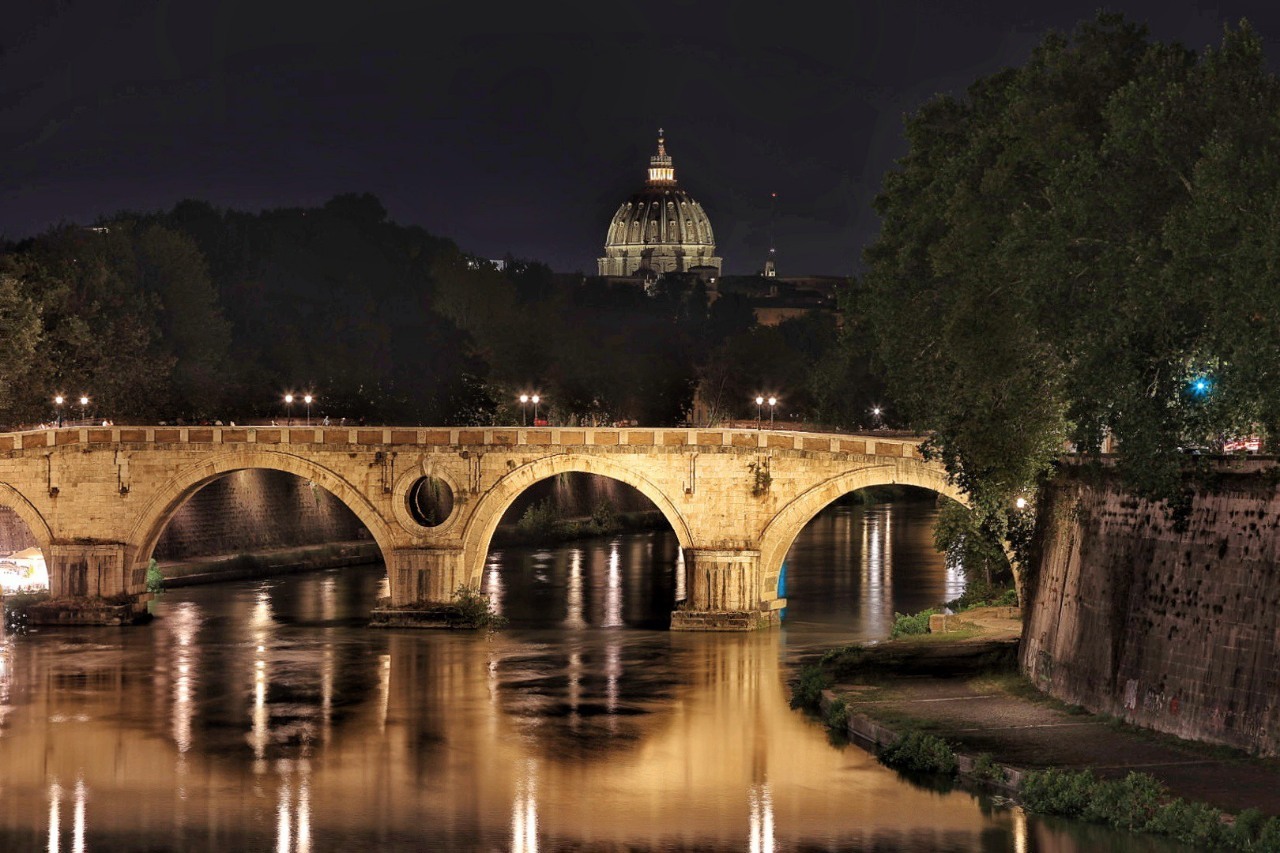
For the Colosseum, separate the visit from the photograph. Enter on your timed ticket to understand the structure, but make the exterior frame from a public viewpoint before opening or later in the day. At the Pantheon, Via del Pantheon gives street context and helps the portico feel embedded in the city; keep the foreground honest rather than erasing the life of the square. Around Castel Sant’Angelo and St. Peter’s, bridges and the long urban axis create depth, but stay out of cycle and traffic paths. Ponte Sisto works as a river subject and as a transition into Trastevere, especially when the sky and city lights balance.
The Baths of Caracalla and Circus Maximus reward wide frames and patient observation more than extreme lenses. Preserve the scale by including layers of ground, masonry or skyline. The Terrazza delle Quadrighe panorama works best when visibility is good; do not promise yourself a specific sunset from a single reference image. Save exact spot links offline, arrive with time to look around and make one safe composition before experimenting. A lightweight camera or phone is often better than a tripod in crowded Rome because many monuments restrict bulky or professional equipment.
What to eat and how restaurants work
Start with the four pasta families instead of searching for a single “best restaurant.” Carbonara combines pasta, egg, guanciale, pecorino and pepper; cacio e pepe is built around cheese, pepper and technique; gricia adds guanciale without tomato; amatriciana adds tomato to that family. Traditional Roman cooking extends well beyond pasta to seasonal vegetables, legumes, lamb and the quinto quarto tradition of offal. Read a current menu and choose a kitchen that does a focused set of Roman dishes rather than one that advertises every Italian classic beside giant monument photos.
For a fast lunch, look for pizza al taglio sold by the piece or weight, pizza bianca with mortadella, supplì, fried baccalà or courgette flowers. These are useful on a museum day because they do not require sacrificing two hours to table service. The Jewish Ghetto is the context for Roman-Jewish cooking, including carciofi alla giudia when artichokes are genuinely in season. Do not assume every artichoke dish is available year-round or that every restaurant using the name follows kosher practice; ask when that distinction matters.
Testaccio is the most coherent neighborhood for a food-focused evening, while Trastevere offers atmosphere and enormous choice with equally enormous variation. Monti is convenient after ancient Rome; Prati is useful after the Vatican. Avoid selecting a restaurant solely because it is beside the final sight. Walk a few streets, read the posted menu and note whether a cover or service charge is shown. Reserve a specific place if it matters, especially for dinner, but leave at least one meal open for what looks good that day.
At the table, tipping is appreciated but not compulsory. Check the itemized bill before adding anything, then round up or leave a modest amount for good service according to your own budget; a tourist-oriented 10 percent is not a legal requirement. Ask for and keep the receipt, which official Italian guidance says businesses must issue. Carry some euro cash for small contingencies, but cards and phone payments are common in the city. Never accept an unexplained conversion into your home currency at a terminal without comparing the rate.
Money, passes and a realistic Rome budget
Separate the budget into five columns: accommodation including city tax; airport transfer; urban transport; admissions; and food. This prevents a cheap room far outside the center from appearing cheaper after extra transit and time. For admissions, a useful current benchmark is about €90 for the standard Colosseum, official online Vatican Museums booking, Galleria Borghese with its reservation fee, Pantheon, Trevi basin and a 72-hour ATAC pass. That figure excludes accommodation, meals, airport rail, city tax, tours, special-access tickets and temporary-exhibition supplements, and every component must be rechecked before purchase.
Do the arithmetic before buying Roma Pass. It currently costs €38 for 48 hours or €62.90 for 72 hours and combines transport with access or discounts across a large attraction network, plus P.Stop toilets. It can be good value for a tightly designed municipal-museum plan, but it does not make mandatory reservations disappear and it does not include the Pantheon. Compare the exact attractions you will enter, their pass benefit and the time window against separate admission plus the ATAC ticket you would otherwise buy.
Calculate the current Roma Pass valueBudget travelers can use free churches, public viewpoints, parks and four municipal museums that remain free to tourists in 2026: Museum of the Roman Republic, Casal de’ Pazzi Museum, Museum of the Walls and Alberto Moravia House. Free does not mean always open or near your route, so verify the individual calendar. The most reliable everyday savings are simpler: refill water at a nasone, walk coherent clusters, eat one street-food lunch, and buy only the timed attractions you actually have energy to enjoy.
Plan toilets instead of waiting for an emergency. Rome’s P.Stop network publishes locations and varying hours for public toilets, sometimes alongside information, Wi-Fi and water; toilet access is included with Roma Pass. Museums and restaurants are the other predictable opportunities, so use them before a long outdoor route. For devices, Italy commonly uses type C and L sockets with 220V, 50Hz power. Bring the correct plug adapter and verify that chargers accept the local voltage before connecting them.
Safety, scams, connectivity and emergency help
Rome is a major tourist city, so use major-city habits rather than fear. Keep a cross-body bag closed and in front in packed vehicles, queues and station concourses. Do not hang a phone or camera from the back of a chair, and do not open a wallet beside a ticket machine while someone crowds or distracts you. Store spare cards separately, keep a copy of key documents and use official transport channels. If a document is stolen, make a police report and contact the relevant consulate or issuer.
Do not engage with the three-cup or shell game, even to watch. Rome police identify it as a fraud aimed largely at tourists in busy central areas; the surrounding group can be part of the operation and a distraction from valuables. Apply the same refusal to friendship bracelets, unsolicited “help” at machines and unauthorized drivers. A firm no and continued movement is better than debate. For tickets and tours, type or save the official domain instead of following look-alike search ads.
For an actual emergency, call 112 free from a fixed or mobile phone, at any hour. The service operates in the local language and generally another common language. Save your accommodation address, insurer details and emergency contact offline. Know that a pharmacy can advise on minor needs, but urgent danger, crime, fire or medical distress belongs with emergency services. Do not use 112 for a missed reservation, delayed bus or ordinary travel dispute.
Confirm health coverage before flying. Eligible EU, EEA and Swiss visitors can present an EHIC for medically necessary care in public or affiliated facilities under Italian rules, but it does not cover private care and some co-payments can remain. Visitors from elsewhere need to understand their insurer’s network, payment and reimbursement process. Carry essential prescriptions in original packaging, save policy contacts offline and retain medical receipts if you pay anything upfront.
Check roaming with your carrier before departure. EU plans may include Italy, while other plans can be costly; do not assume. Roma Capitale provides DigitRoma public Wi-Fi, but full browsing requires registration and coverage varies. Hotels, cultural venues and businesses also offer networks. Use trusted connections for sensitive accounts, download offline maps and tickets, and keep the original booking references available without a connection. Public Wi-Fi is a backup, not the foundation of a timed sightseeing day.
Accessibility and low-strain planning
Rome cannot be summarized as accessible or inaccessible. Conditions change by entrance, route and equipment: ancient paving can be rough while a museum around the corner has a modern ramp and lift. Turismo Roma provides attraction-level filters for accessible entrances, toilets, wheelchair routes and sensory services. Use those records, then contact the site for the exact route you intend to take. At the Colosseum complex, the official warning about rocky paths, uneven steps and steep sections is relevant even for travelers without a formal mobility disability.
For transit, ATAC publishes accessible-station and lift information and reports boarding platforms across its bus fleet, but a nominally accessible line is only useful if the lift and chosen stop work that day. Check live status before leaving and build a taxi fallback. St. Peter’s has a reserved ramped entrance for visitors with disabilities, and the Pantheon provides an external ramp on the Via della Minerva side. Galleria Borghese’s tiny-bag rule also matters when carrying medical or support equipment, so contact the museum in advance rather than improvising at the door.
Low-strain travel uses the same principles: one major timed interior per half-day, a seated break before exhaustion, water refills, and an evening near the hotel. Put steep or exposed archaeology first, use a museum or long lunch during peak heat, and allow a slower companion to set the pace. A four-day itinerary should be treated as modules; removing one module is better than turning every remaining experience into a race.
Photography rules, drones and city etiquette
At the Vatican Museums, personal photography is allowed in many areas without flash, but the Sistine Chapel prohibits all photography and filming; tripods, selfie sticks, drones and professional equipment are banned. At the Colosseum park, selfie sticks and drones are prohibited and professional optical equipment needs authorization. The Pantheon permits phone photography but requires permission for professional shoots. These are site rules, not suggestions, and staff directions override a plan copied from an older article.
St. Peter’s requires extra caution because its own current pages conflict: the visitor FAQ allows no-flash photography, while the common-good guidance asks people not to take photographs. Both insist on respect for worship, appropriate dress and non-disruptive equipment. Treat the stricter rule as the safe planning assumption, read the signs at entry and follow staff instructions. Never photograph a service or another person’s prayer simply because a camera is technically permitted elsewhere in the building.
Do not bring a drone expecting to improvise a skyline shot. ENAC requires operator registration, competence and insurance as applicable, plus a check of the live d-flight geographical-zone map before every flight. Some zones prohibit open-category flight from ground level and heritage sites impose their own restrictions. Central Rome’s airspace, people and monuments make casual operation a bad assumption. If aerial work is essential, research and obtain every authorization before travel; otherwise leave the drone home.
Street etiquette improves photographs. Keep doorways, church steps, cycle paths and bridge flows open. Ask before making a recognizable portrait, especially of workers or worshippers. Do not climb ruins, fountains or barriers, and never place equipment on fragile masonry. A small kit, quiet shutter behavior and patience produce better access than treating the city as a set. In restaurants and shops, request permission before an extended interior shoot; personal snapshots and commercial production are not the same activity.
Rome mistakes to avoid and local-style tricks
Mistake one is booking the Vatican, Colosseum and Borghese on the same day because the calendar offered slots. Build days geographically, leave security and walking margin, and reserve only what you can enjoy. Mistake two is trusting a reseller’s language over the institution: “skip the line” never cancels security, the Pantheon has no official skip product, and St. Peter’s is free even though optional paid services exist. Mistake three is arriving at closing time; last admission is earlier and seasonal.
Mistake four is switching between a bank card and its phone wallet on transit, or trying to tap one card for several people. Mistake five is forgetting validation because a paper ticket looked active. Mistake six is buying Roma Pass before choosing attractions. Mistake seven is driving into a central ZTL because the hotel looked reachable on a map. Solve these with a short pre-trip check of travelers, rides, paid sites, payment instruments and any plate authorization; then keep every ticket until the trip ends.
The most useful local-style trick is rhythm. Visit one serious site early, walk one connected district, eat away from the monument’s front door and take a real pause. Refill at the nasoni. Cross the river on foot when it fits the route. Return to a square after dinner instead of adding another paid attraction. Use Testaccio for food, Monti after ancient Rome, Prati after the Vatican and Trastevere when you actively want its evening energy. Rome becomes richer when the plan stops trying to defeat it.
The final gotcha is stale information. In 2026 Trevi introduced a paid basin, St. Peter’s changed its hours, Appian Way sites entered restoration closures and transport works continue to change station access. Save official status and ticket pages, not just confirmation emails. Recheck volatile facts seven days before travel, then opening times, transit and weather the evening before each day. If a closure appears, replace the module with a nearby alternative instead of crossing the city in search of a workaround.
Final Rome planning checklist
Two to three months out: choose four full days, decide which side of the city should be home, shortlist flights and verify the final accommodation price including tax. Reserve Galleria Borghese as soon as your dates are firm if it is essential, then Vatican Museums. At the Colosseum’s 30-day window, buy the exact product and named slot from the official site. Keep one day modular for heat, rain, closures or the place you decide to revisit.
One week out: recheck every official opening notice; calculate BITs, an ATAC pass or Roma Pass from the actual itinerary; confirm airport transport and health coverage; download tickets and offline maps; check roaming; pack stable shoes, covered-shoulder clothing, a reusable bottle, power adapter and small permitted day bag. Photographers should save the NoFilter spot pages, remove the tripod unless a specific site permits it, and leave the drone behind unless all ENAC and site approvals are already complete.
Each evening: check the next day’s weather, ATAC status, first admission and route accessibility; charge devices; place one card and emergency cash separately; and choose the single experience you will drop if the day runs long. Save 112 for real emergencies. Ask for receipts, protect valuables in crowds and walk away from shell games and unsolicited transport. Then stop optimizing. The point of the preparation is to make room for Rome itself.
Explore Rome photo spots with NoFilter