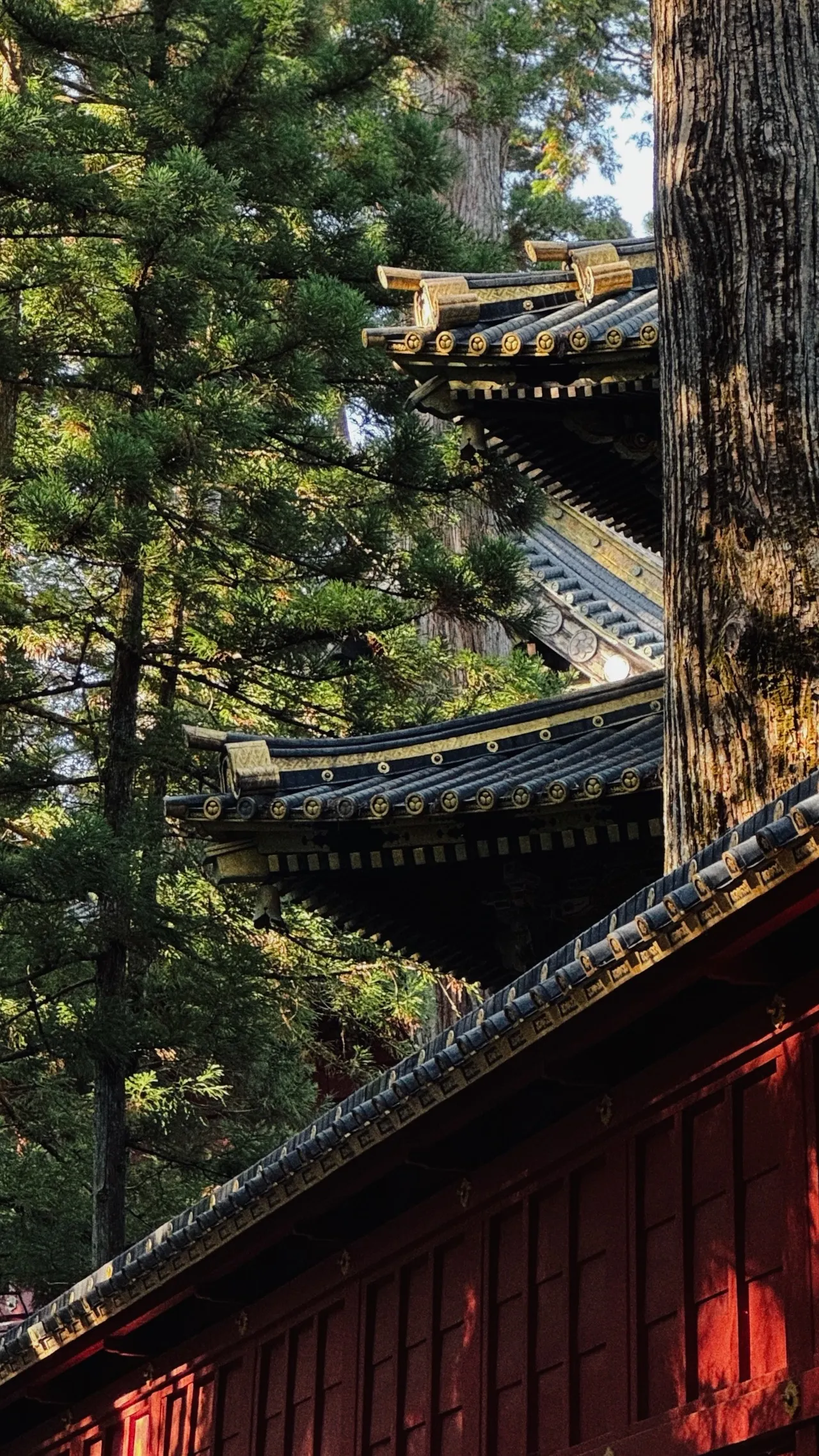
Nikkō Tōshōgū is an opulent Shinto shrine located in Nikko, Japan, renowned for its stunning architecture and historical significance. It serves as the final resting place of Tokugawa Ieyasu, the founder of the Tokugawa shogunate that ruled Japan for over 250 years. Built in 1617 and later expanded by Ieyasu's grandson, Tokugawa Iemitsu, the shrine complex is a masterpiece of Edo period craftsmanship and artistry.
The shrine is famous for its lavishly decorated structures, featuring intricate wood carvings, vibrant colors, and extensive use of gold leaf. Notable structures include the Yomeimon Gate, often referred to as the "Gate of the Sun," which is adorned with over 500 detailed carvings, and the Five-Story Pagoda, a striking example of traditional Japanese architecture. The "Sleeping Cat" and the "Three Wise Monkeys" carvings are among the most celebrated artworks found here, each carrying deep symbolic meanings. Nikkō Tōshōgū is part of the "Shrines and Temples of Nikkō," a UNESCO World Heritage Site. Visitors can explore the lush cedar forest surrounding the shrine, adding to the serene atmosphere. The site is especially popular during the annual spring and autumn festivals, which feature traditional Yabusame horseback archery and elaborate processions. Access to the shrine is facilitated by a scenic train journey from Tokyo, making it a convenient day trip for those interested in Japan's rich cultural heritage.
The shrine is famous for its lavishly decorated structures, featuring intricate wood carvings, vibrant colors, and extensive use of gold leaf. Notable structures include the Yomeimon Gate, often referred to as the "Gate of the Sun," which is adorned with over 500 detailed carvings, and the Five-Story Pagoda, a striking example of traditional Japanese architecture. The "Sleeping Cat" and the "Three Wise Monkeys" carvings are among the most celebrated artworks found here, each carrying deep symbolic meanings. Nikkō Tōshōgū is part of the "Shrines and Temples of Nikkō," a UNESCO World Heritage Site. Visitors can explore the lush cedar forest surrounding the shrine, adding to the serene atmosphere. The site is especially popular during the annual spring and autumn festivals, which feature traditional Yabusame horseback archery and elaborate processions. Access to the shrine is facilitated by a scenic train journey from Tokyo, making it a convenient day trip for those interested in Japan's rich cultural heritage.
🗺 Map
Want to see more? Download the app. It's free!
- Weather informationCheck the forecast, clouds, rain, visibility, temperature, and wind before you go. Download it for free!
- How to get there?Choose how to get there by car, walking, or public transport from your location. Download it for free!
- CollectionsSave this spot in lists for future trips.
- Visited PlacesMark places you have visited and see them together on one map.
- Favourite RegionsGet alerts when new spots are added in your favourite regions.
- Offline mapsDownload maps before a trip for places with weak connection.
- Upload your photosUpload your photos and help other travelers find good photo spots.
- Audio guidesCreate narrated guides to listen to while you visit a place.