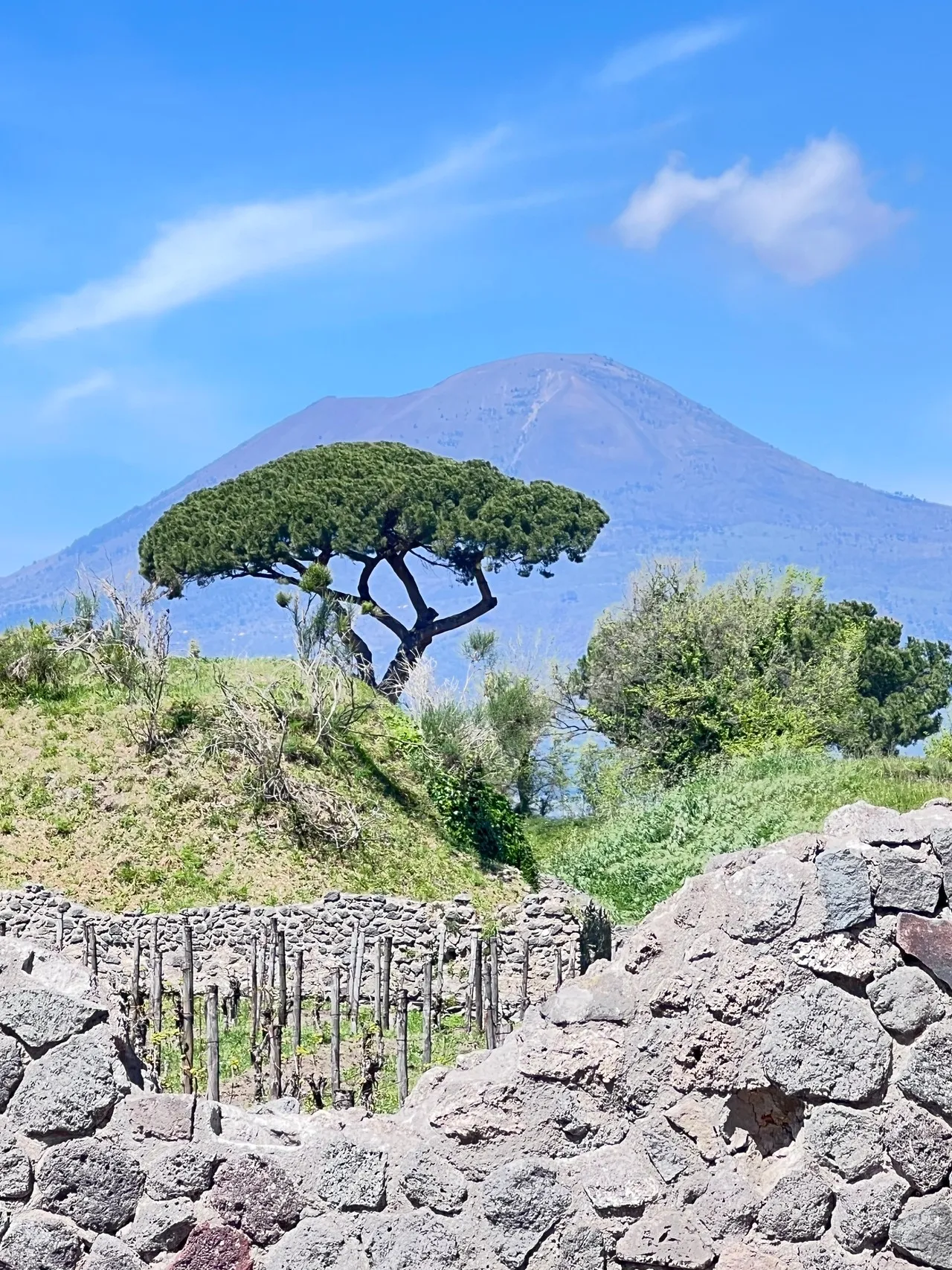
Monte Vesuvio rises east of Naples, dominating the Bay of Naples with the paired forms of the younger Gran Cono and the older Monte Somma rim. Its eruption in AD 79 buried Pompeii and Herculaneum, preserving an extraordinary record of Roman life; its most recent eruption occurred in 1944. The upper slopes reveal dark volcanic gravel, exposed lava and the layered walls of the crater, while wider views set the stark cone against dense suburbs, the bay and the distant Sorrento Peninsula. This contrast between a restless volcanic landscape and one of Italy’s most heavily settled coastal regions gives Vesuvius its distinctive visual and historical power.
🗺 Map
Want to see more? Download the app. It's free!
- Weather informationCheck the forecast, clouds, rain, visibility, temperature, and wind before you go. Download it for free!
- How to get there?Choose how to get there by car, walking, or public transport from your location. Download it for free!
- CollectionsSave this spot in lists for future trips.
- Visited PlacesMark places you have visited and see them together on one map.
- Favourite RegionsGet alerts when new spots are added in your favourite regions.
- Offline mapsDownload maps before a trip for places with weak connection.
- Upload your photosUpload your photos and help other travelers find good photo spots.
- Audio guidesCreate narrated guides to listen to while you visit a place.