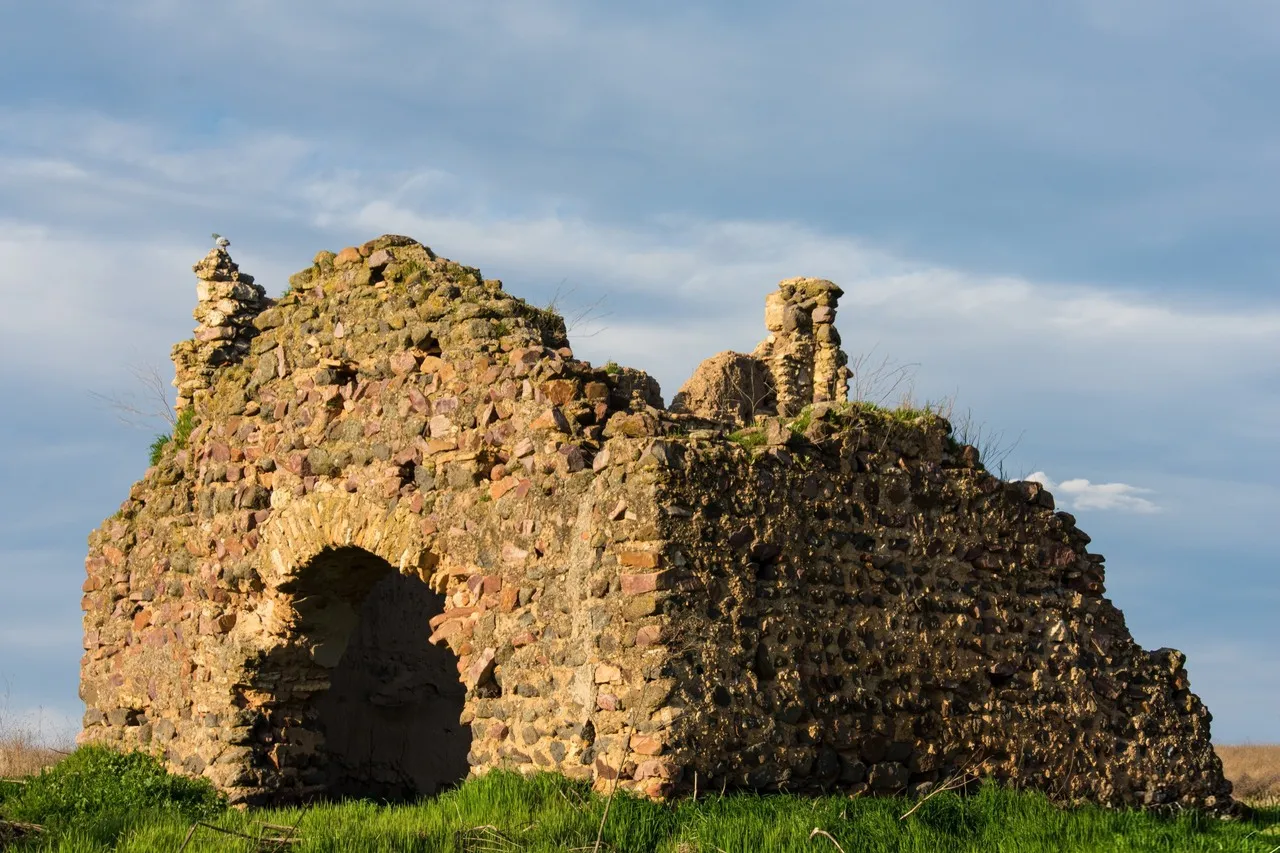
Small rural hermitage on the outskirts of Ciudad Real, the Ermita de Sancho Rey is a modest but locally significant devotional site that embodies the region’s blend of medieval piety and vernacular architecture. Important as a focal point for village religious life, it preserves the continuity of local traditions: annual pilgrimages (romerías) on the hermitage’s feast day still draw residents and neighboring villagers, making it a lived cultural landmark rather than only an architectural relic.
Historically, the building has medieval origins and was adapted over subsequent centuries to meet changing liturgical and community needs; this layered history helps explain its mixture of construction techniques and materials. Architecturally it is small and unostentatious: a single nave with a modest apse, simple stone and brick walls, a plain wooden roof structure and a modest bell gable (espadaña). You’ll note restrained decorative touches reflecting Mudéjar influence common in Castile—brick patterns and rounded arches—combined with later repairs in ashlar stone. Unique local features include the hermitage’s role in seasonal festivities and its siting amid olive groves and open fields, which frames views of the plain and reinforces its character as a rural sanctuary closely tied to local identity. Access is generally on foot or by short country road; interior visits are often limited to service times or by arrangement with local parish authorities.
Historically, the building has medieval origins and was adapted over subsequent centuries to meet changing liturgical and community needs; this layered history helps explain its mixture of construction techniques and materials. Architecturally it is small and unostentatious: a single nave with a modest apse, simple stone and brick walls, a plain wooden roof structure and a modest bell gable (espadaña). You’ll note restrained decorative touches reflecting Mudéjar influence common in Castile—brick patterns and rounded arches—combined with later repairs in ashlar stone. Unique local features include the hermitage’s role in seasonal festivities and its siting amid olive groves and open fields, which frames views of the plain and reinforces its character as a rural sanctuary closely tied to local identity. Access is generally on foot or by short country road; interior visits are often limited to service times or by arrangement with local parish authorities.
🗺 Map
Want to see more? Download the app. It's free!
- Weather informationCheck the forecast, clouds, rain, visibility, temperature, and wind before you go. Download it for free!
- How to get there?Choose how to get there by car, walking, or public transport from your location. Download it for free!
- CollectionsSave this spot in lists for future trips.
- Visited PlacesMark places you have visited and see them together on one map.
- Favourite RegionsGet alerts when new spots are added in your favourite regions.
- Offline mapsDownload maps before a trip for places with weak connection.
- Upload your photosUpload your photos and help other travelers find good photo spots.
- Audio guidesCreate narrated guides to listen to while you visit a place.