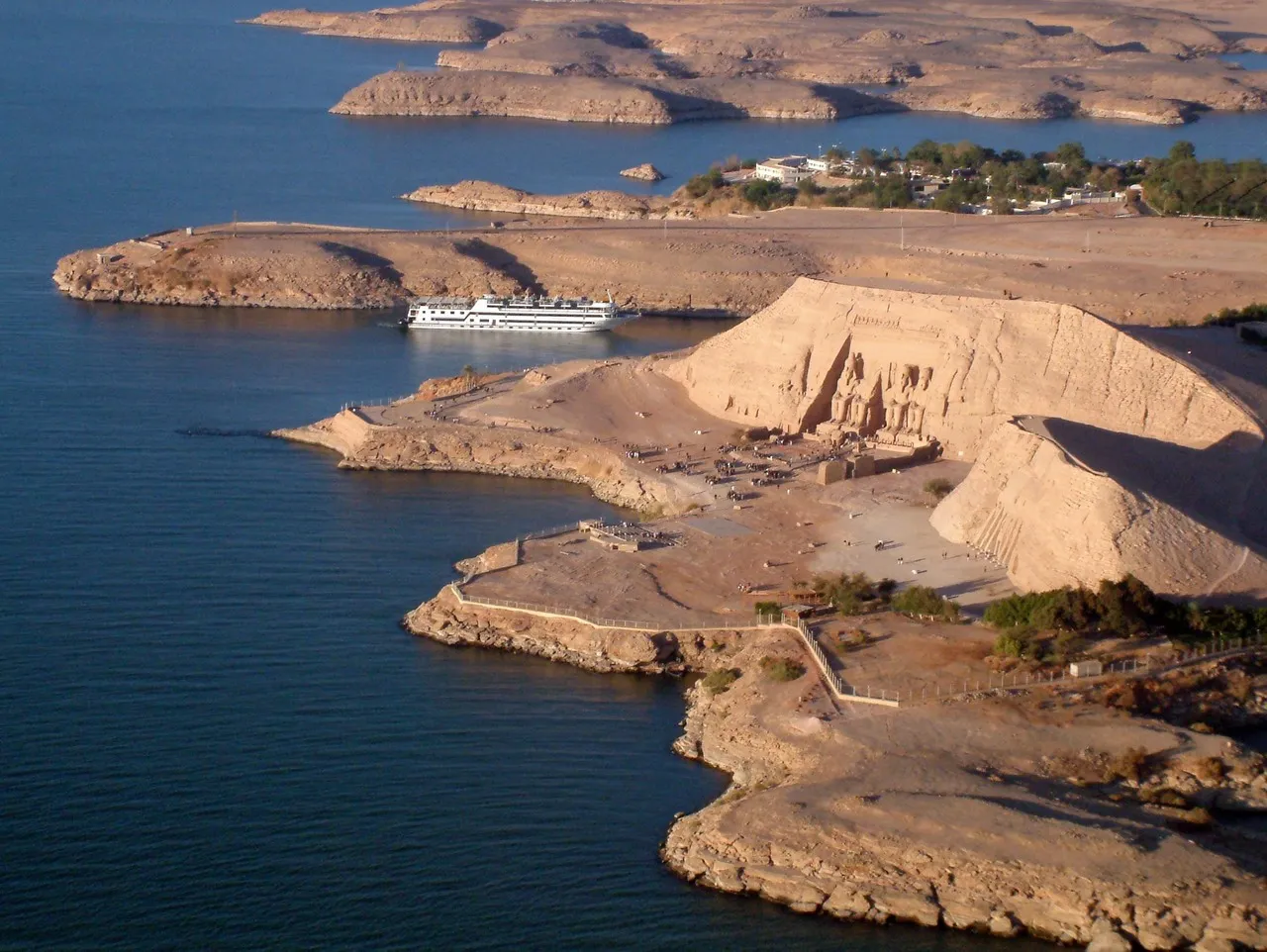
Abu Simbel is a rock-cut temple complex in southern Egypt, near the Sudanese border and the shore of Lake Nasser. Built in the 13th century BCE under Ramesses II, it comprises the Great Temple, fronted by four colossal seated figures of the pharaoh, and a smaller temple dedicated to Hathor and Queen Nefertari. Its monumental façades project royal power while the interior reliefs present religious ceremonies and military victories. In the 1960s, the temples were cut into massive blocks and reassembled on higher ground to save them from the rising waters created by the Aswan High Dam. The recognizable photograph is the contrast between pale sandstone, deep-cut shadows, immense sculpted figures, and the surrounding desert.
🗺 Map
Want to see more? Download the app. It's free!
- Weather informationCheck the forecast, clouds, rain, visibility, temperature, and wind before you go. Download it for free!
- How to get there?Choose how to get there by car, walking, or public transport from your location. Download it for free!
- CollectionsSave this spot in lists for future trips.
- Visited PlacesMark places you have visited and see them together on one map.
- Favourite RegionsGet alerts when new spots are added in your favourite regions.
- Offline mapsDownload maps before a trip for places with weak connection.
- Upload your photosUpload your photos and help other travelers find good photo spots.
- Audio guidesCreate narrated guides to listen to while you visit a place.