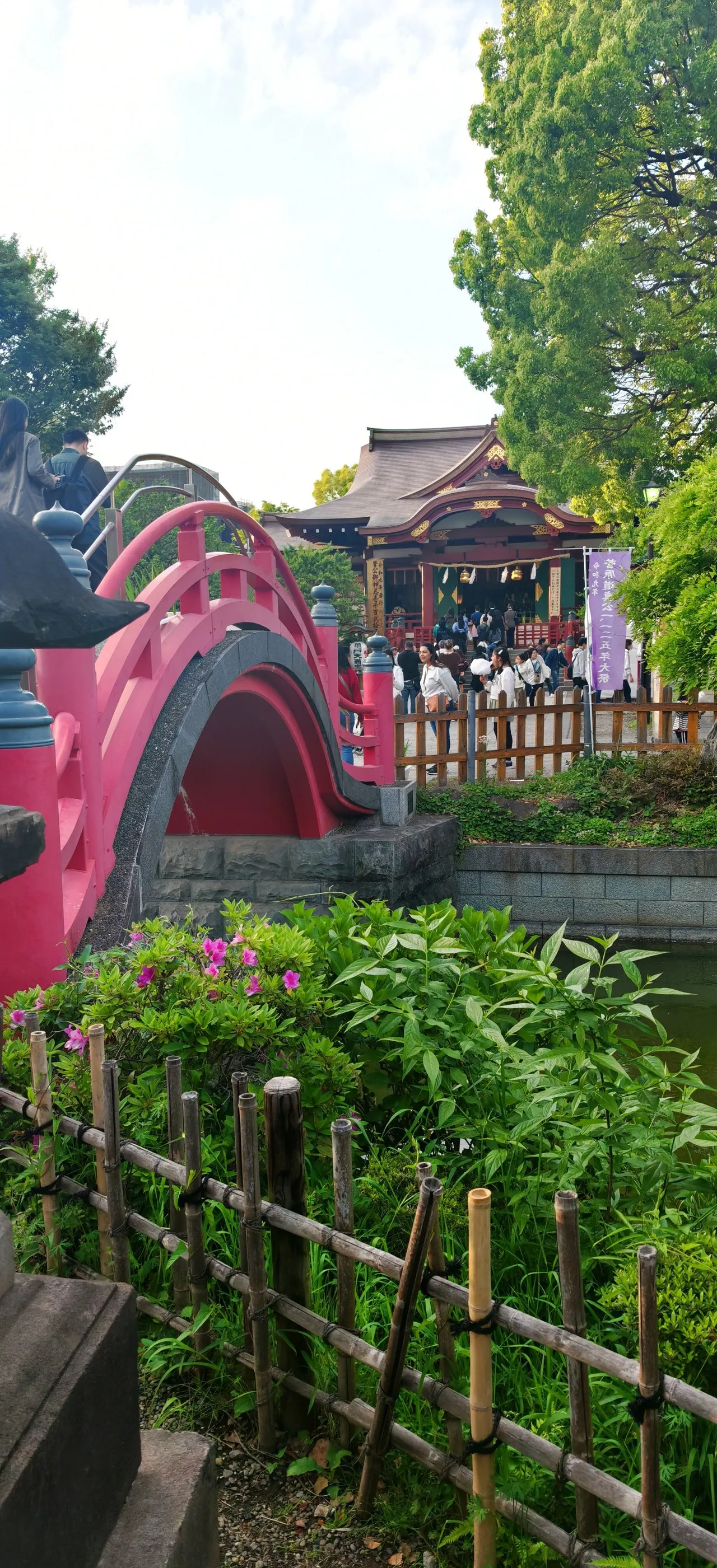
琴柱灯篭 (Kotohashi Tōrō) is a cluster of distinctive stone lanterns located on the banks of the Sumida River in Koto City, Tokyo. They form a visual landmark where traditional Edo-period riverside ornamentation meets the modern waterfront, notable for their squat, column-like central shafts (the "kotohashi" or "bridge-pillar" form) that give the grouping its name. The lanterns mark former ferry and boat-landing points and signal the historical importance of this stretch of river as a transport and cultural corridor during the Edo era.
Historically, these tōrō reflect Edo-period riverine customs: stone lanterns were used to light river approaches, honor deities, and demarcate important urban nodes. Some of the lanterns here date to the late 18th–19th centuries and bear inscriptions of donors’ names and dates, linking them to local communities, guilds, and waterfront shrines. The proportions—broad, low bases, short cylindrical columns, and modest fire-boxes—are tailored to riverside conditions, resisting wind and splash while offering a strong horizontal silhouette against the river. As a tourism curiosity, the site is valued for evening illumination events when lantern lights are symbolically lit for festivals, and for unobstructed views of Sumida sunsets framed by traditional stonework. The stone surfaces show lichen and wear, readable as a palimpsest of Koto’s maritime past. The ensemble is accessible from nearby riverside promenades and often appears in photo walks highlighting Tokyo’s juxtaposition of historical artefacts and contemporary skyline.
Historically, these tōrō reflect Edo-period riverine customs: stone lanterns were used to light river approaches, honor deities, and demarcate important urban nodes. Some of the lanterns here date to the late 18th–19th centuries and bear inscriptions of donors’ names and dates, linking them to local communities, guilds, and waterfront shrines. The proportions—broad, low bases, short cylindrical columns, and modest fire-boxes—are tailored to riverside conditions, resisting wind and splash while offering a strong horizontal silhouette against the river. As a tourism curiosity, the site is valued for evening illumination events when lantern lights are symbolically lit for festivals, and for unobstructed views of Sumida sunsets framed by traditional stonework. The stone surfaces show lichen and wear, readable as a palimpsest of Koto’s maritime past. The ensemble is accessible from nearby riverside promenades and often appears in photo walks highlighting Tokyo’s juxtaposition of historical artefacts and contemporary skyline.
🗺 Map
Want to see more? Download the app. It's free!
- Weather informationCheck the forecast, clouds, rain, visibility, temperature, and wind before you go. Download it for free!
- How to get there?Choose how to get there by car, walking, or public transport from your location. Download it for free!
- CollectionsSave this spot in lists for future trips.
- Visited PlacesMark places you have visited and see them together on one map.
- Favourite RegionsGet alerts when new spots are added in your favourite regions.
- Offline mapsDownload maps before a trip for places with weak connection.
- Upload your photosUpload your photos and help other travelers find good photo spots.
- Audio guidesCreate narrated guides to listen to while you visit a place.